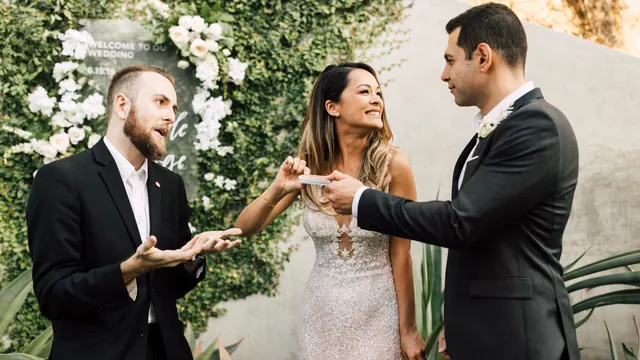
Wedding Entertainment for Mixed Ages and Groups
Plan for people rather than age categories. Explore seating, sound, introductions and participation choices for a wedding with several generations of guests.
37 published
Plan for people rather than age categories. Explore seating, sound, introductions and participation choices for a wedding with several generations of guests.
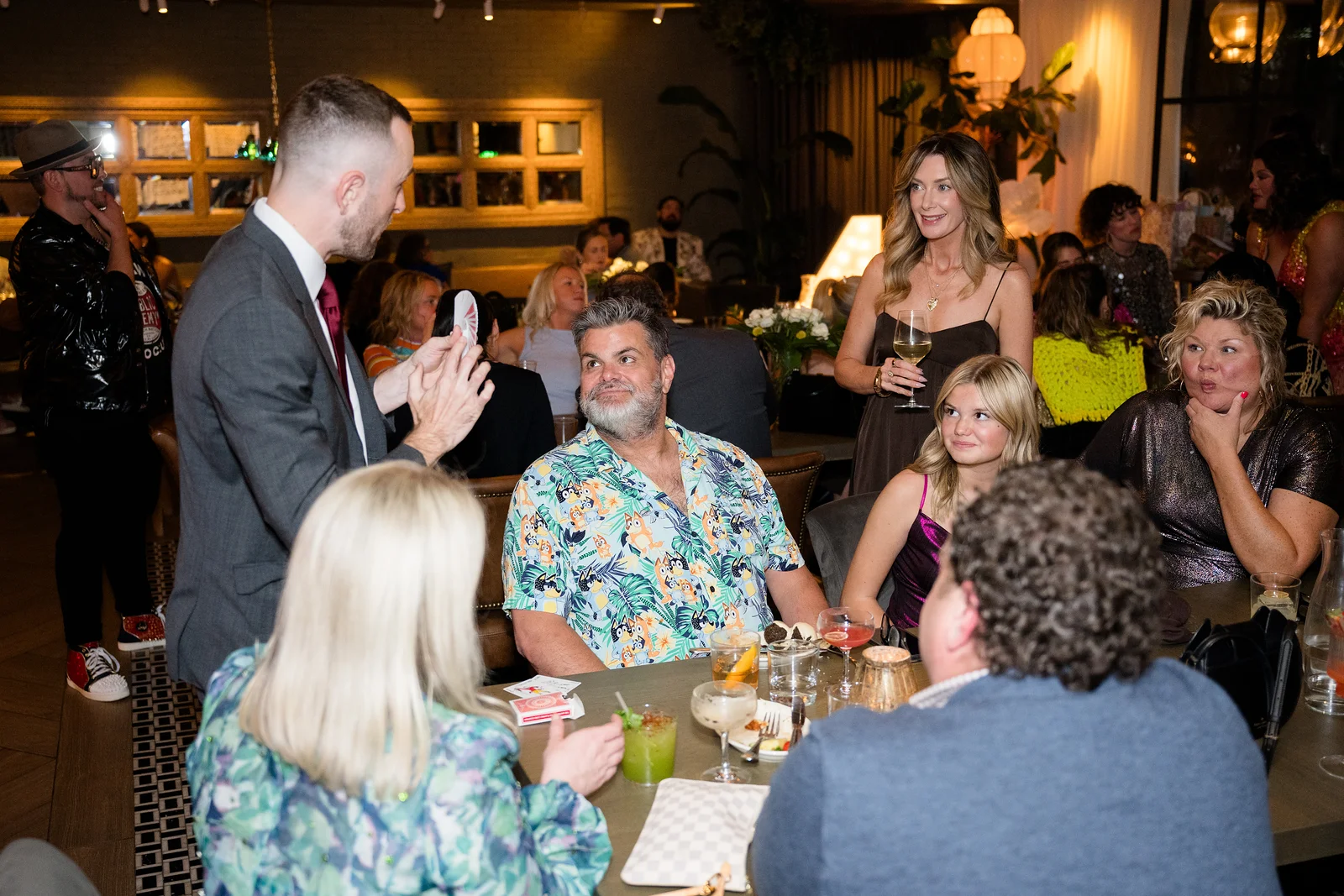
Give guests a welcoming way to stay involved after the formalities, with optional magic, comfortable seating and a thoughtful location near the celebration.
Give each wedding vendor the information they need to support the magic. This practical checklist covers contacts, food service, photographs, announcements and changes.
The social hour has a different job from the keynote and training sessions. Plan magic around relaxed conversation, arrivals, and a clear transition out of work mode.
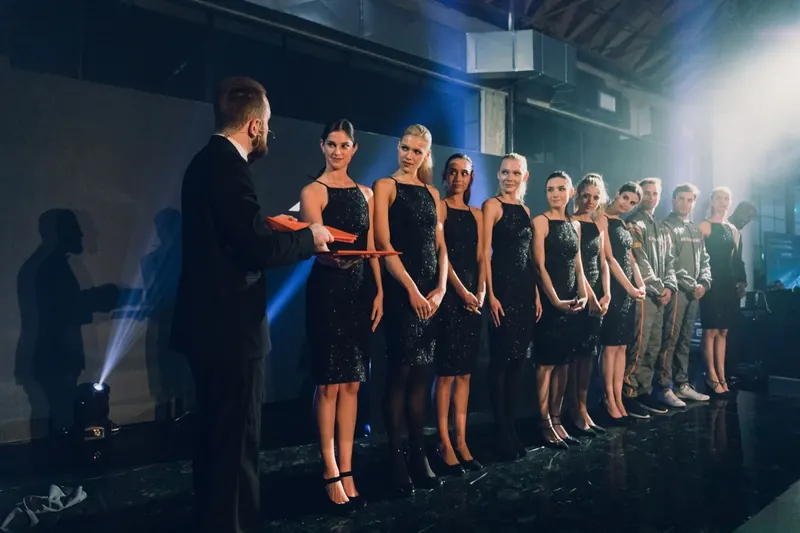
An awards program needs clear transitions and protected recognition moments. Plan the entertainment slot, production cues, and response to schedule changes together.
Client events need room for real conversation. Use entertainment as a considerate part of the evening, with clear boundaries around host time and formal remarks.
A thank-you event should feel generous with guests’ attention. Plan clear recognition moments and entertainment people can enjoy without being put on the spot.
Opening receptions bring together people arriving on different schedules. Plan entertainment that respects check-in, travel fatigue, and voluntary conversation.
Volume changes what guests can follow. Here is how I would plan visual magic, spoken interaction, and a more comfortable place to gather.
An outdoor reception needs a plan for the conditions guests will actually experience. Start with light, shelter, movement, and a practical indoor alternative.
Head count alone cannot tell you how many performers fit your event. Map the available attention, separate spaces, and experience you want guests to have.
Moving between groups and gathering guests around a close-up table create different experiences. Choose by how you want guests to spend their attention.
A useful reception floor plan gives guests places to gather without blocking the room. Here is how I would walk through it with your planner.
Music and magic can share a party when the transitions are planned. Agree on who controls sound, when announcements happen, and where guests will watch.
A short lead time calls for a clear brief. Gather the essential details, identify the choices you can still make, and confirm the plan with the people involved.
Help unfamiliar guests find something to talk about without turning the party into a compulsory activity. Start with introductions, shared moments, and choice.
An office has a different job during a holiday party. Plan the gathering areas, building access, distractions, and coordinator handoff before guests arrive.
A private dining room has to work for guests, servers, and entertainment. Coordinate the service pattern before choosing where and when magic happens.
Put magic in the schedule where guests can enjoy it. This guide turns arrivals, dinner, speeches, and dancing into a practical entertainment sequence.
A professional audience needs an invitation it can comfortably accept or decline. Build that expectation into the briefing, introduction, and room setup.
Decide how mind-focused moments could fit your wedding by looking at guest comfort, conversation, music, and the time you want to share as a couple.
The choice comes down to how you want guests to engage. Compare visual magic and mind-focused entertainment without assuming they need separate bookings.
Strolling describes how I move through an event. Mentalism describes a kind of performance. Here is how to decide whether that combination fits your guests.
Late in the reception, I set up at a table for a formal close-up show that guests come over and gather around. Here's how it works, where it fits in the evening and why it never happens during dinner.
The night before a wedding calls for different entertainment than the day itself. Here's how I plan magic for a seated rehearsal dinner and an open welcome party in Nashville, and how to keep both nights distinct.
Cocktail hour is when the two sides of a wedding meet. Here's how strolling magic helps guests mingle while you take photos, with a sample Nashville timeline and a clean handoff to dinner.
A straight answer for couples weighing a magician: when it helps, when it falls flat, how shy guests are treated and how to judge a performer from real footage.
Plan wedding entertainment around the moments of your day: what suits cocktail hour, why dinner and speeches should stay clear, and how to use the reception after dinner.
Close-up magic happens inches from your guests. A stage show gives the whole room one shared moment. Here is how I help clients choose between them, what each needs from the room, and when it makes sense to do both.
One hour of strolling magic covers more guests than most hosts expect, but the right length depends on your guest count, room and schedule. Here is how I size a booking, and when it makes sense to add a second magician.
Ten practical questions to ask any magician before you book, from footage and format to venue needs, the written agreement and how early to check your date.
There is no flat rate for hiring a magician in Nashville. Here is what actually shapes my quotes, from the performance format and date to travel and custom work, plus what to send so you get an accurate answer quickly.
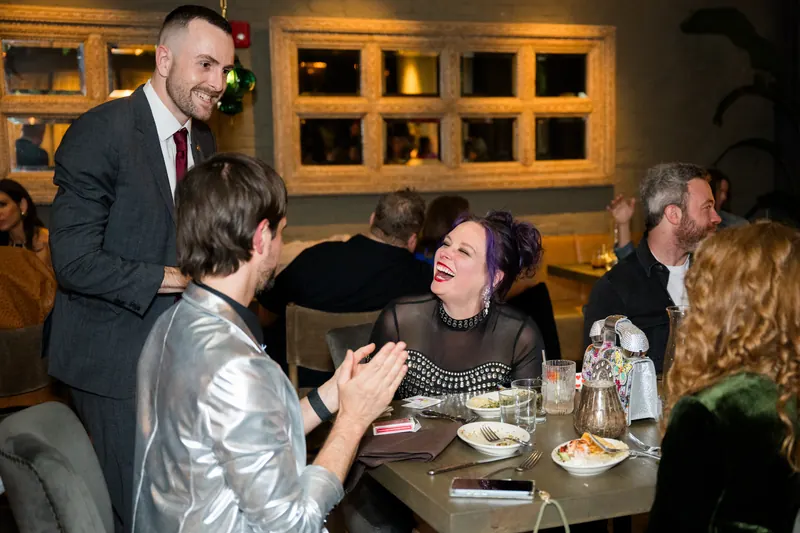
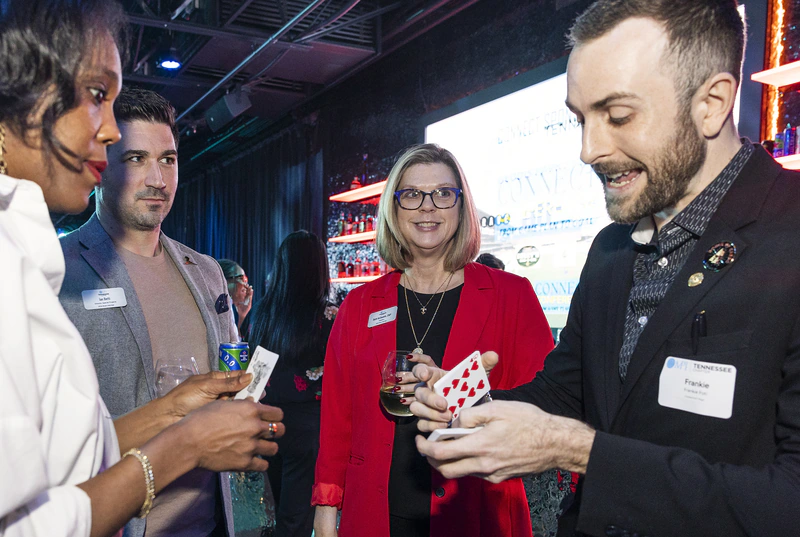
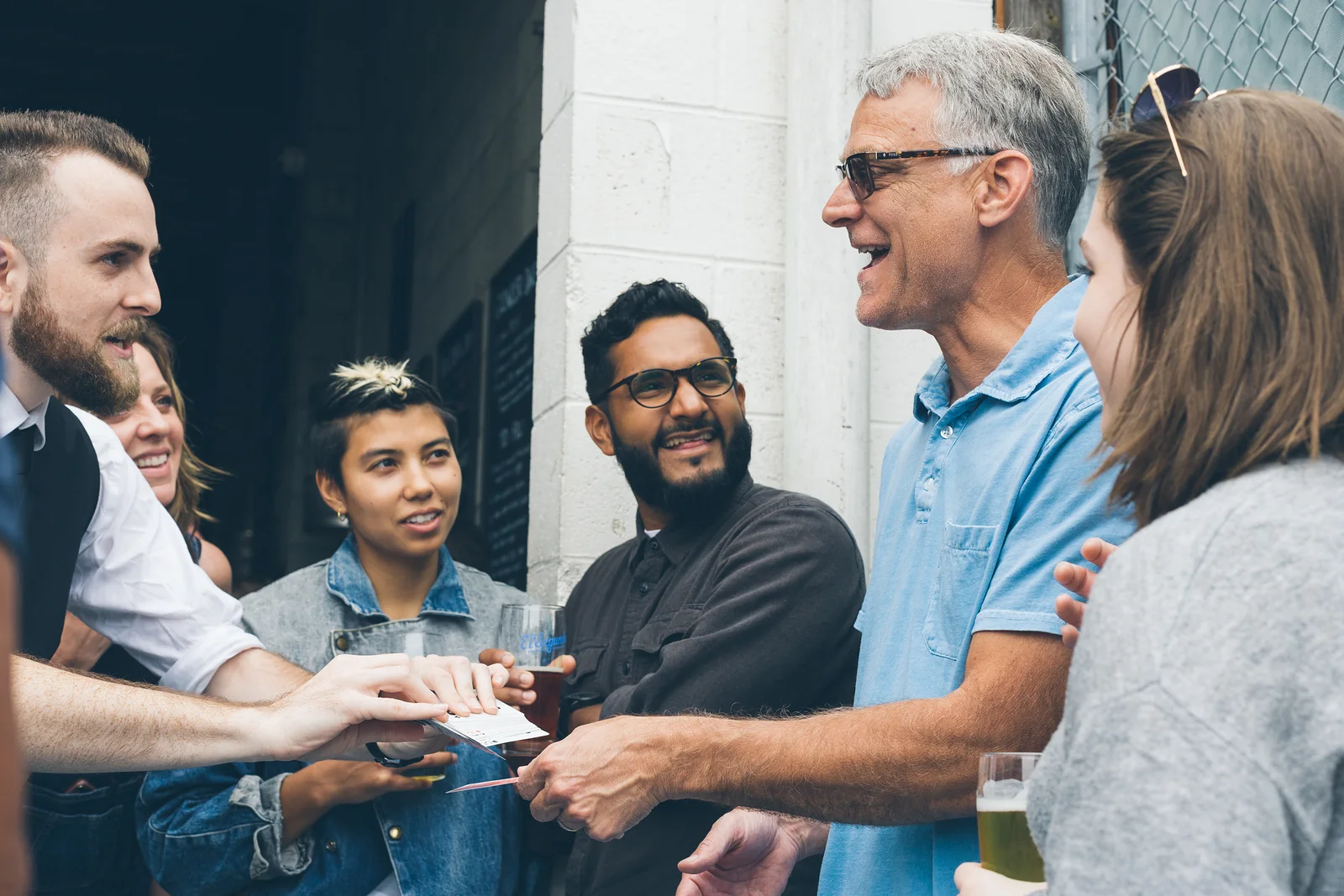
Strolling close-up magic gives guests an easy way into conversation without stopping the networking. Here's how it works at Nashville events.
The best moment for a corporate magic show is after the meal, not during it. Here is how I plan the timing, the awards handoff and the room for an after dinner show.
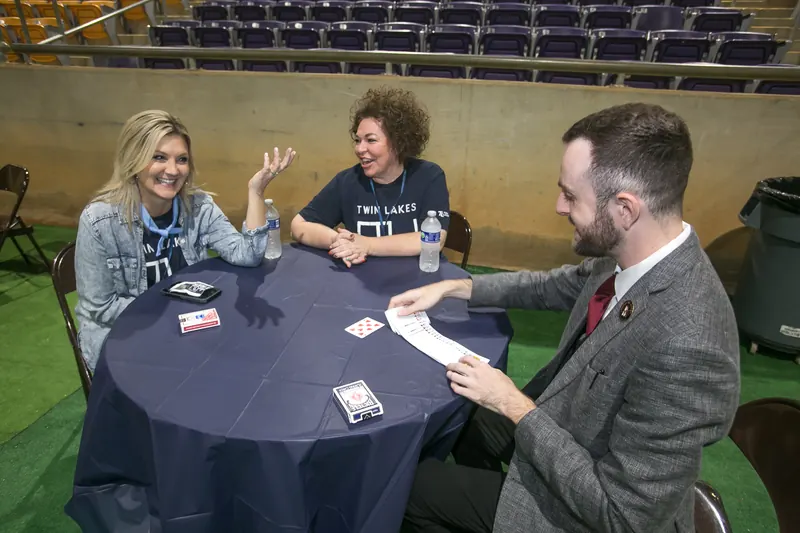
Corporate entertainment works best when it fits what the event is for. Here is how I match strolling magic, a formal close-up show or an after dinner stage show to your guests and your schedule.
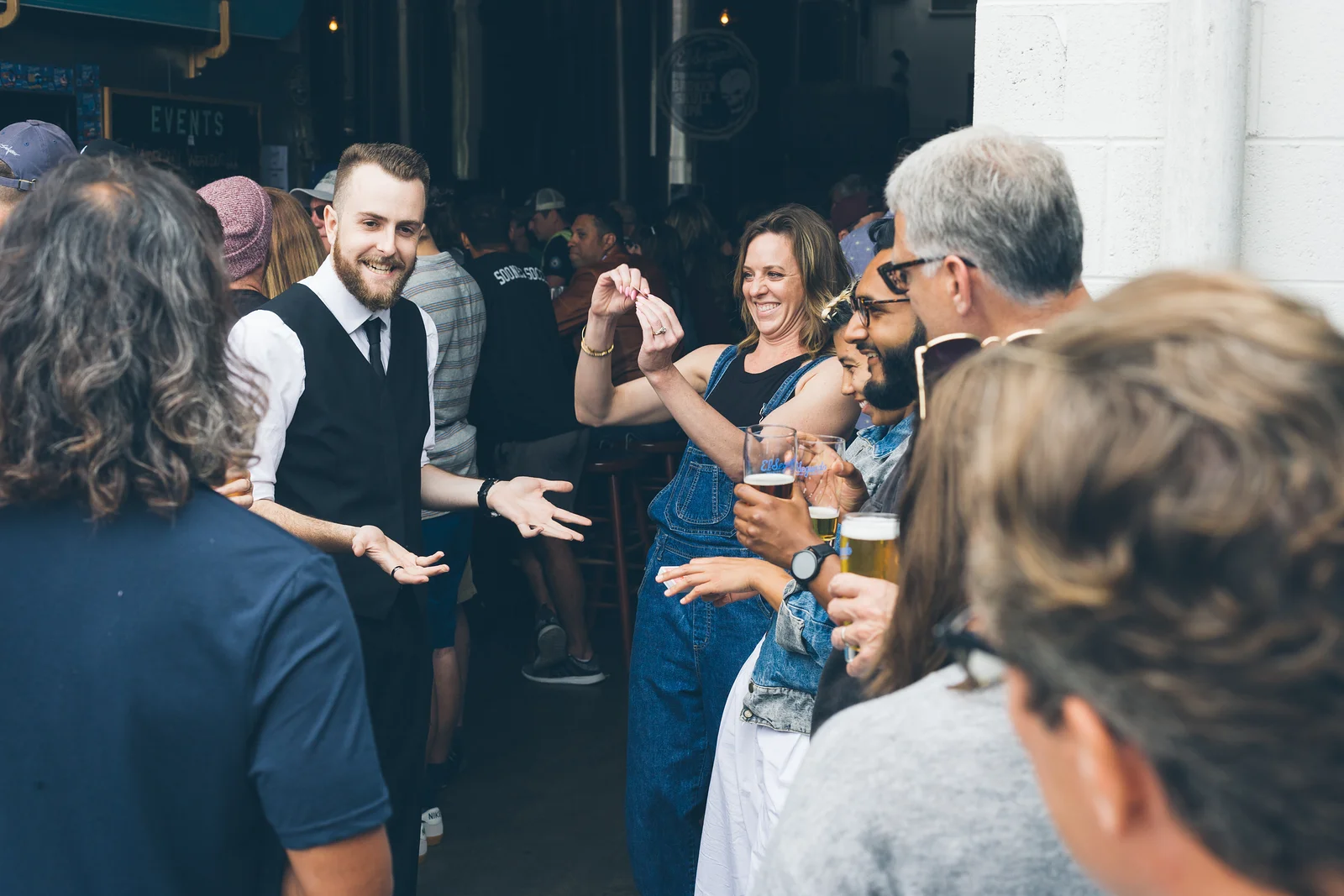
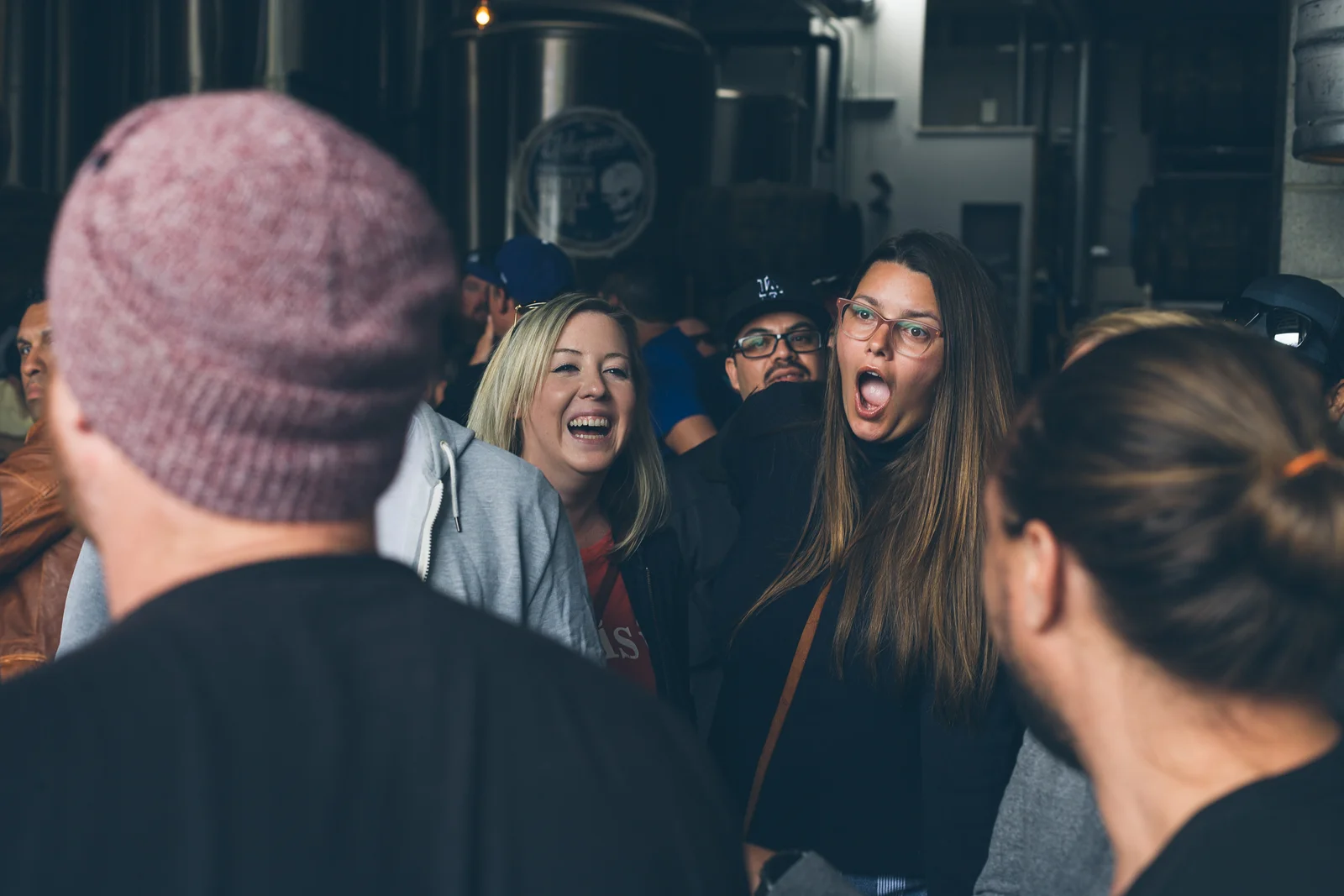
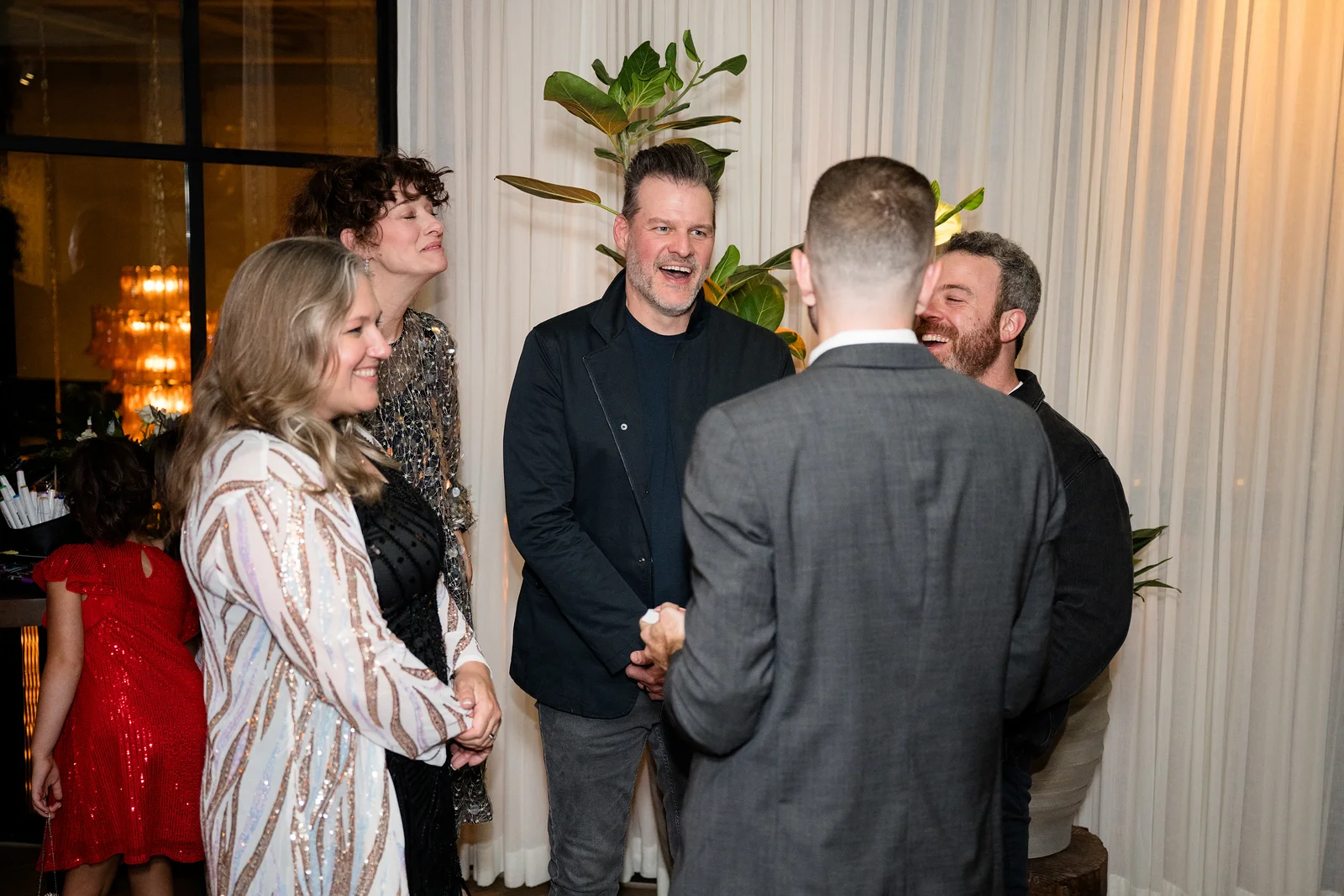
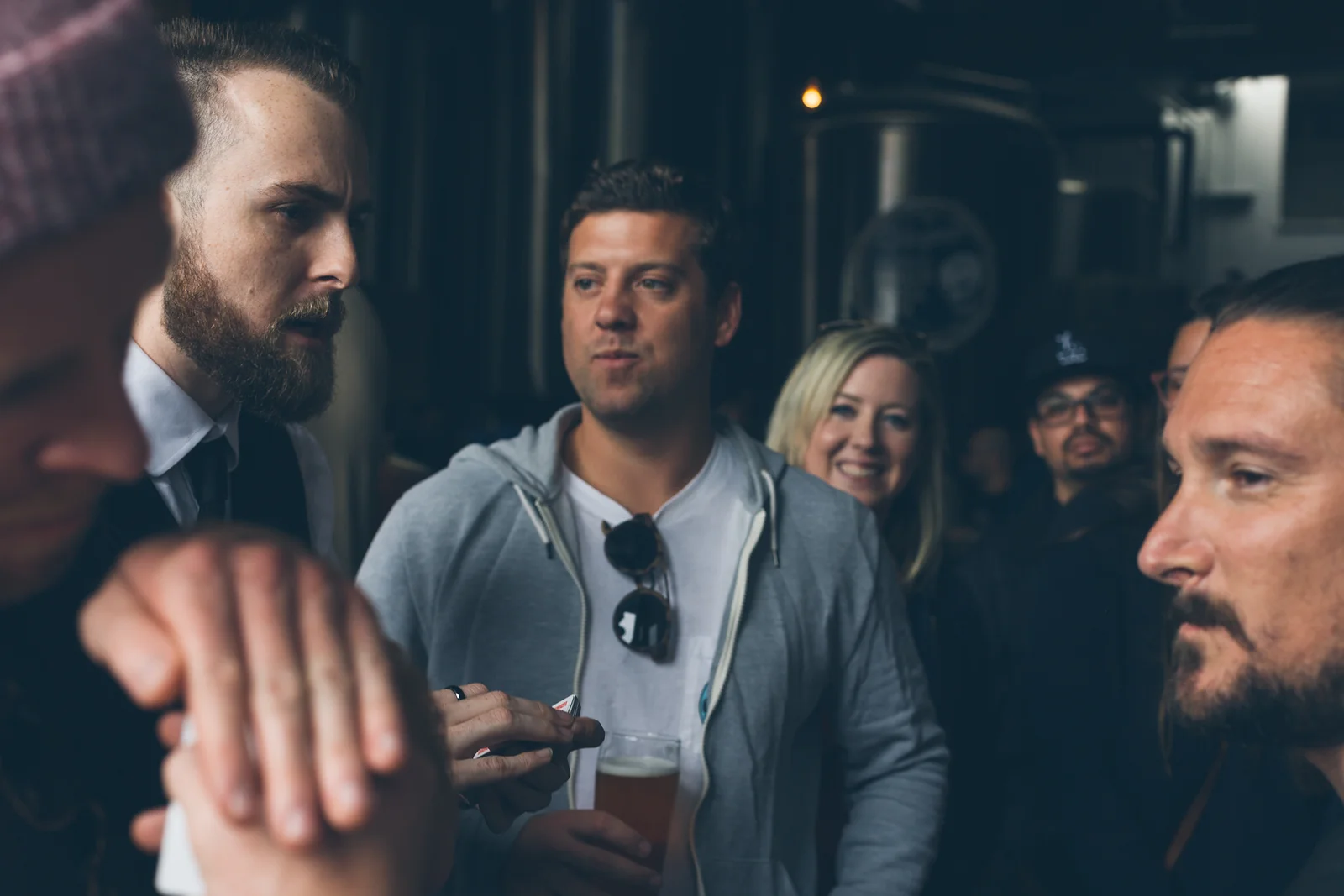
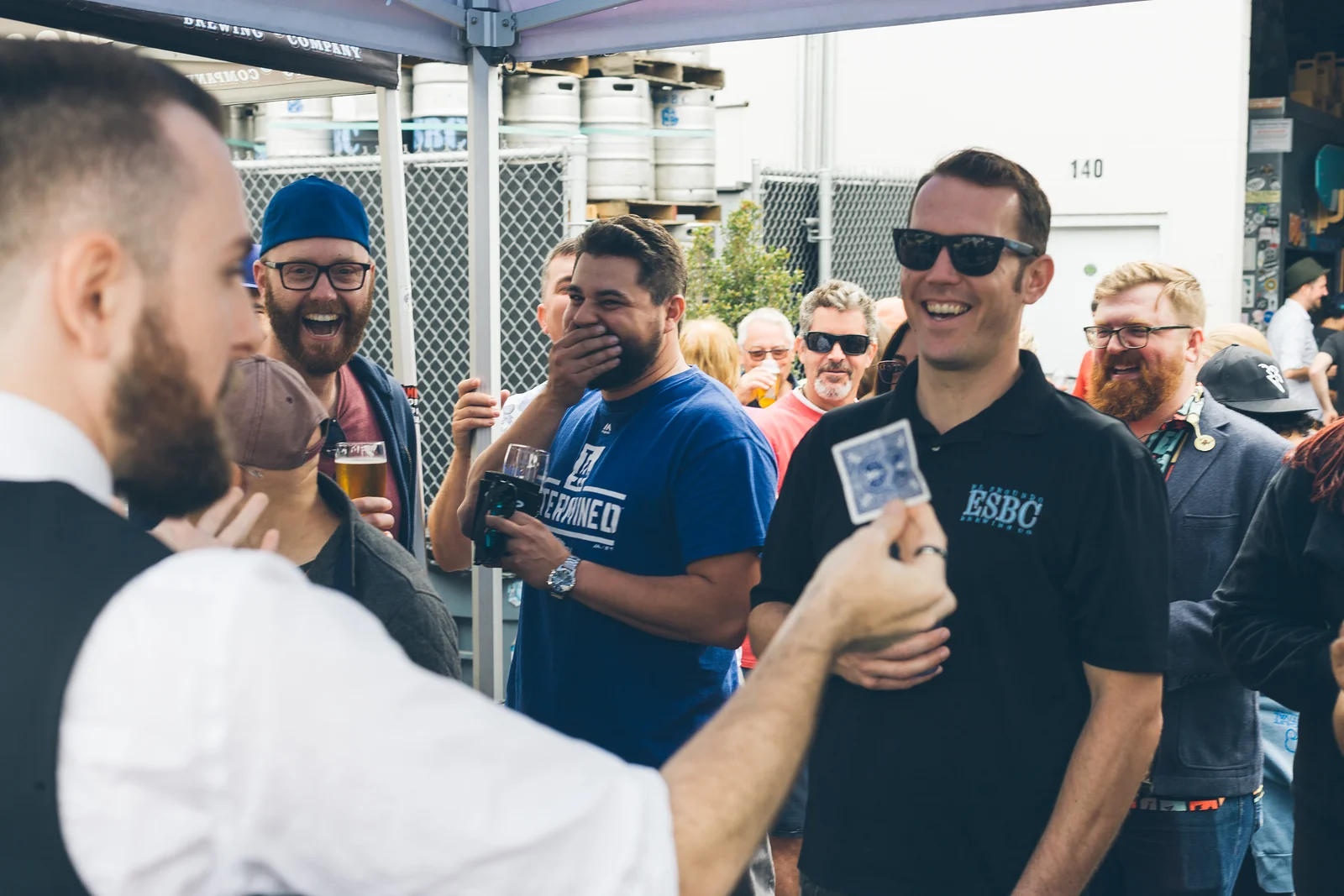
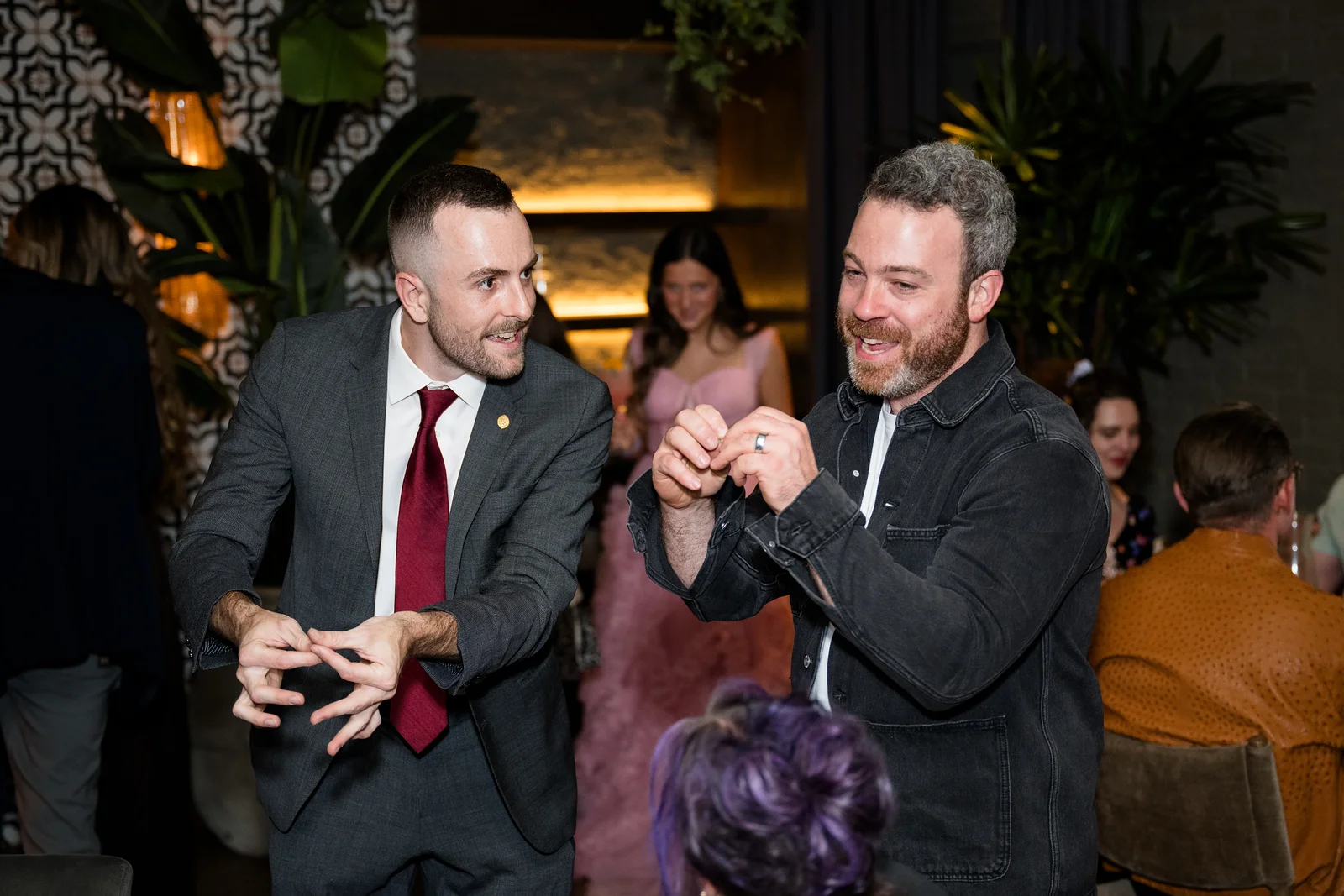
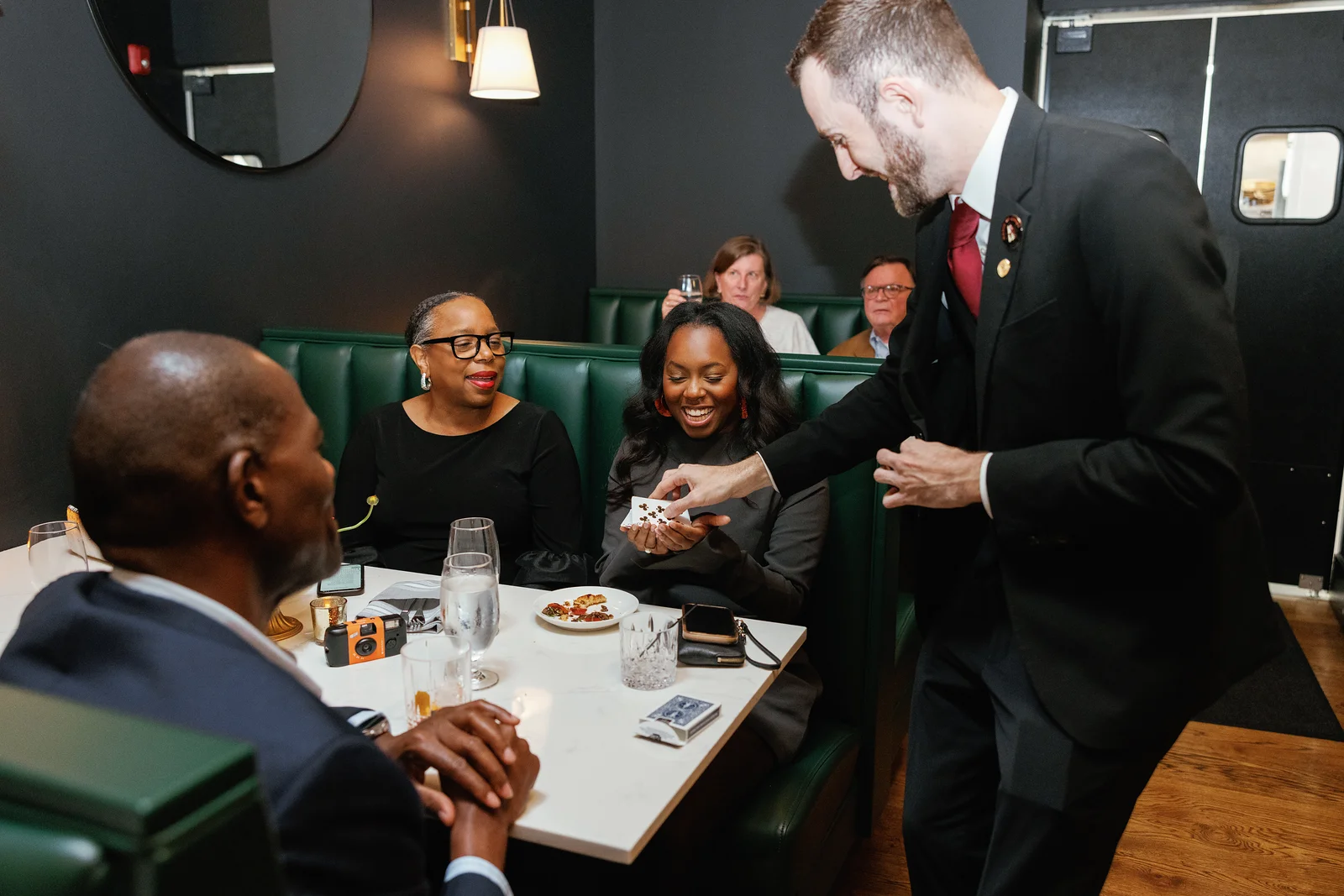
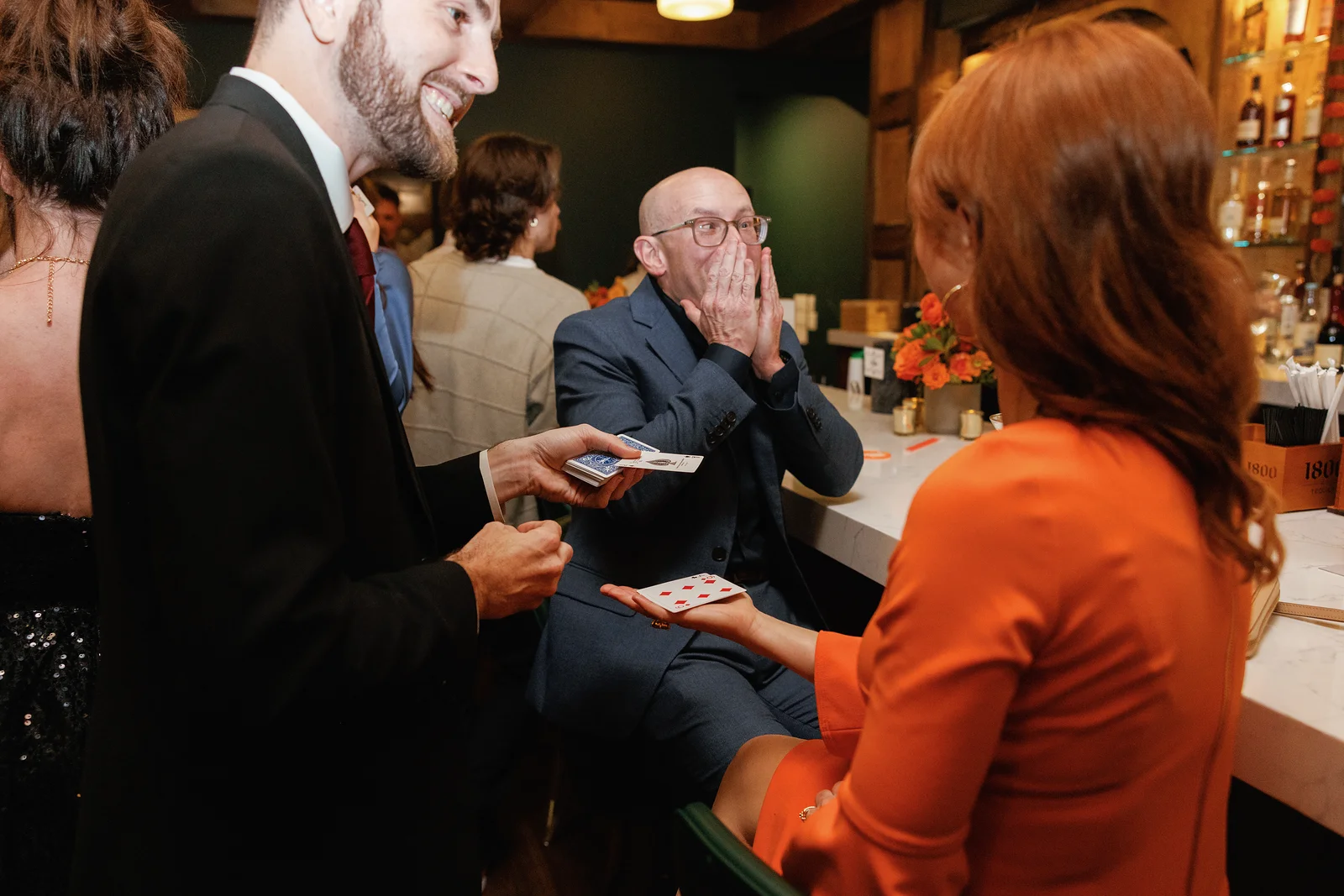
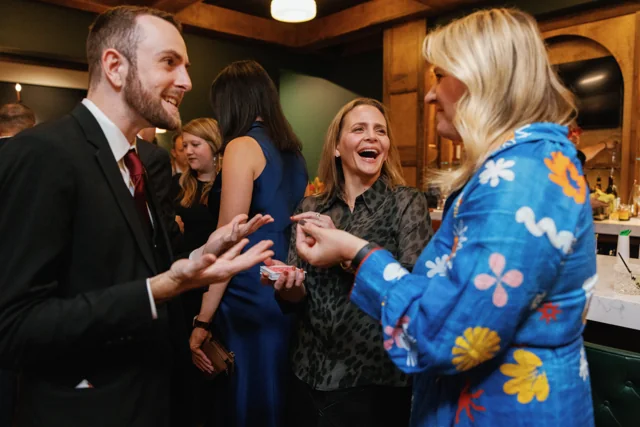
The first hour of a party is when people are arriving, grabbing a drink, and scanning the room for a familiar face. That's the perfect time for strolling magic, also called walk-around or close-up magic.
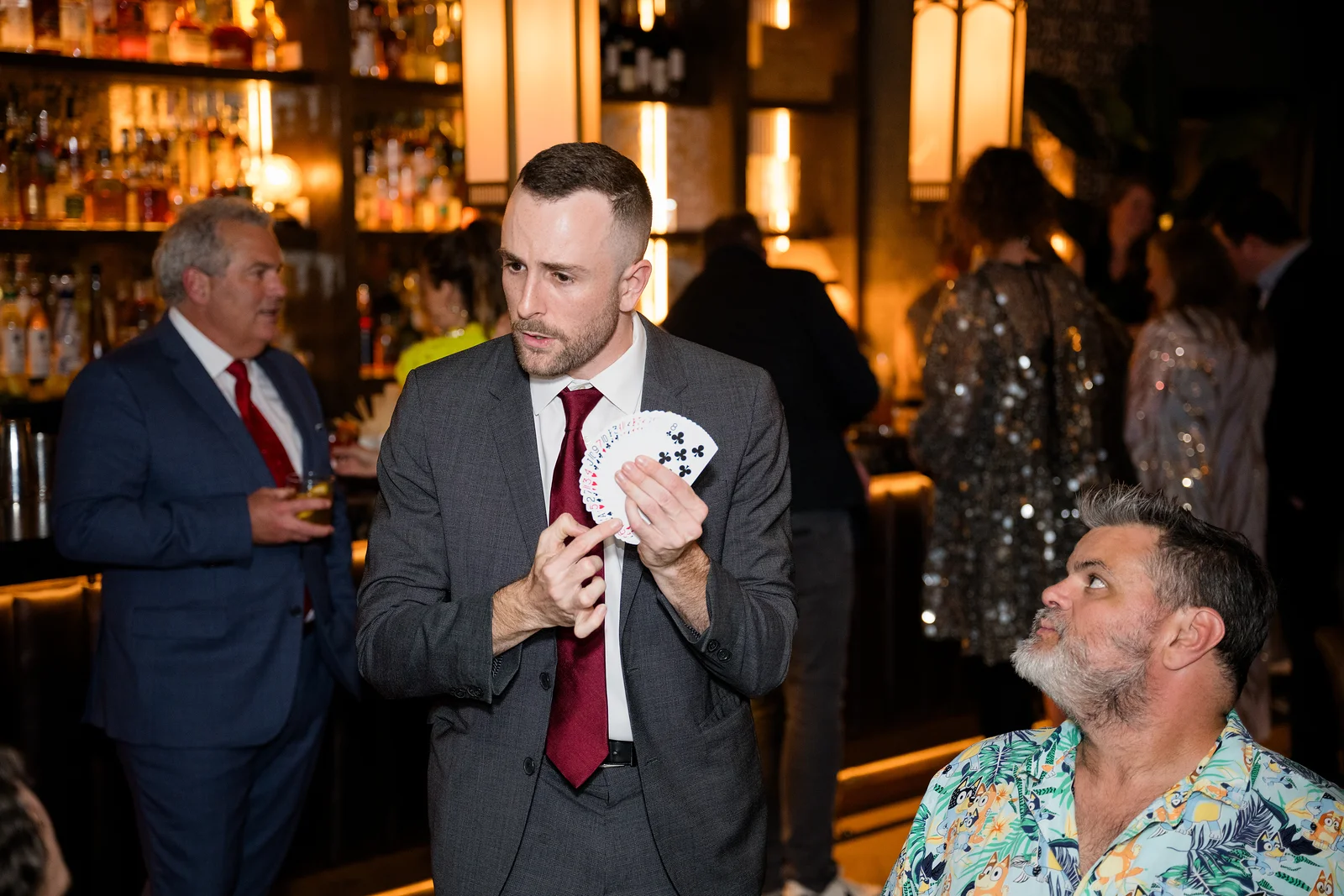
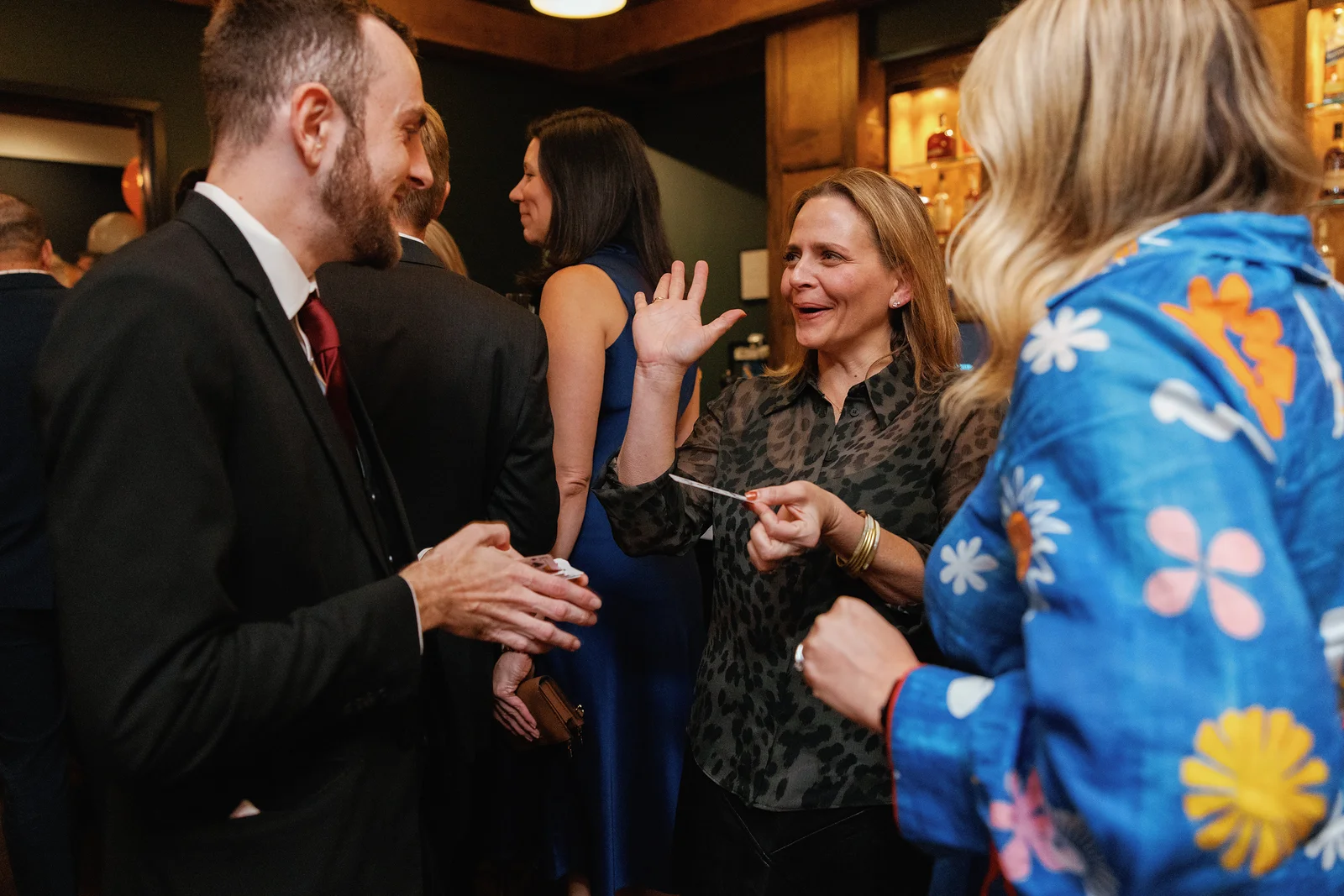
What a close-up magician does at a wedding, a corporate event or a party. How strolling magic works, and how long to book.
Frankie writes these between dates. Until the next one: