Close-up and strolling formats
Magic at a Loud Party: Plan for Better Interaction
Planning magic at a loud party? Balance visual close-up magic, conversation, and quieter spaces so guests can follow the entertainment.
In this article
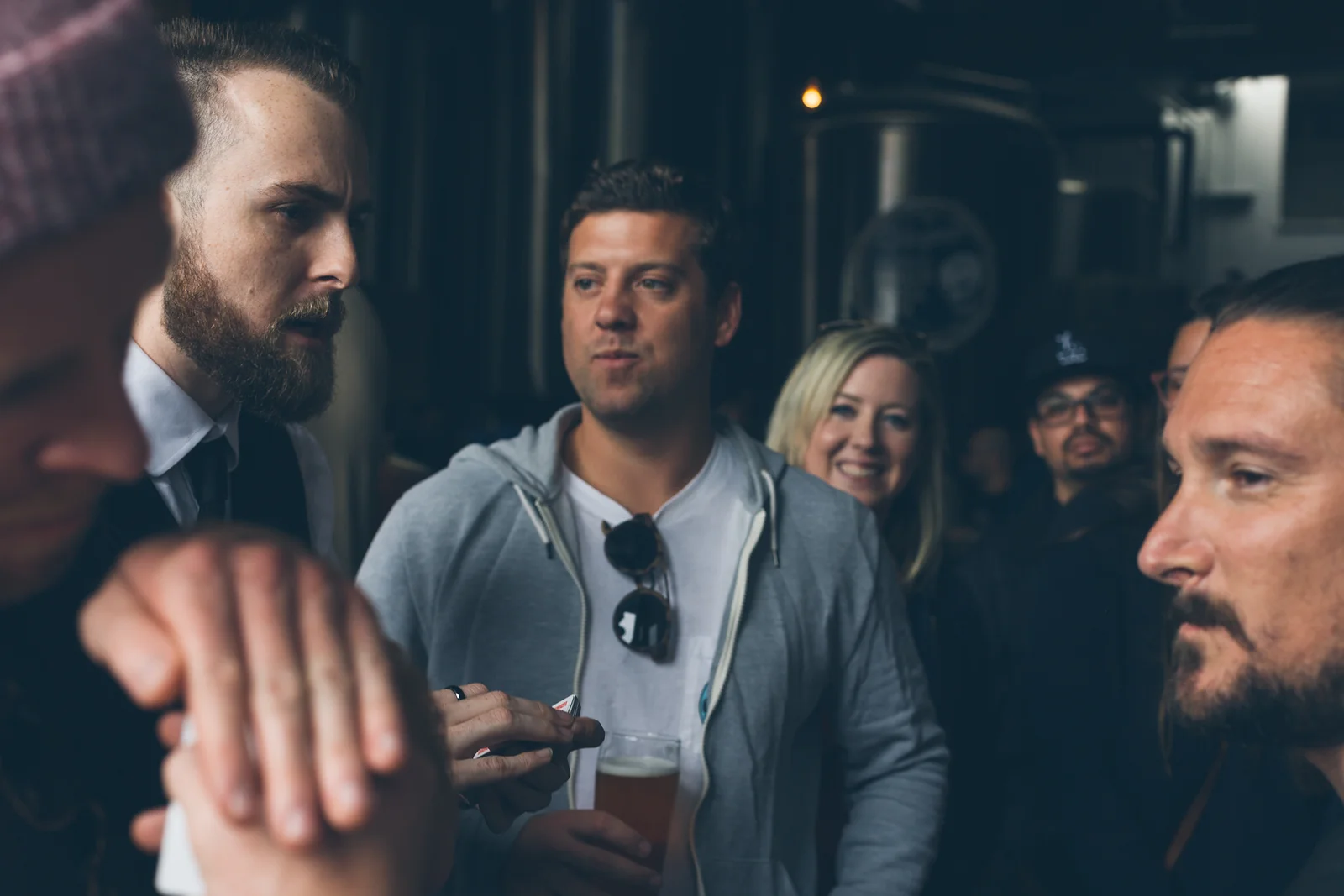
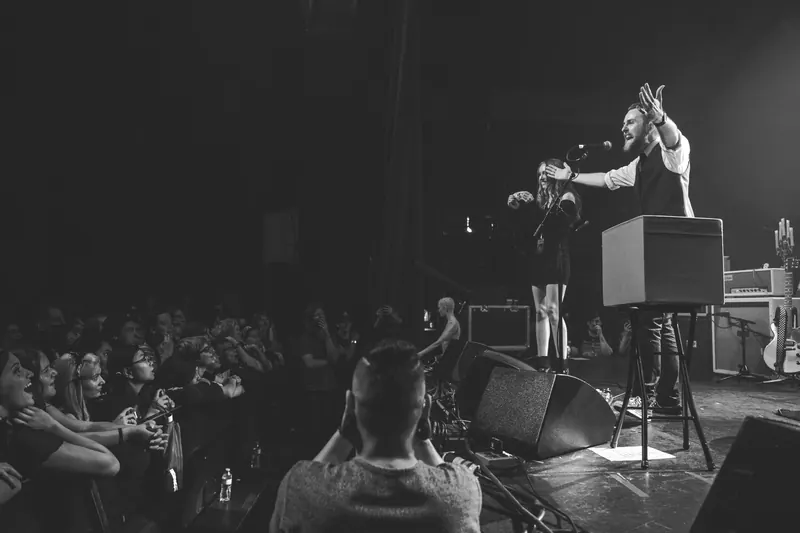
Magic at a loud party can work differently from magic in a quiet reception. Visual close-up moments may suit a setting with music, while spoken interaction needs conditions where guests can hear and respond. I perform at events with live musicians and use more visual magic in those settings. The useful plan is to match the material, location, and timing to the actual sound, with quieter space available when conversation matters.
Plan magic at a loud party around what guests can hear
Before talking about speakers or microphones, think about the conversation you want guests to have. Can a small group hear someone speaking nearby without repeatedly asking for the same words? Can people at the edges follow as comfortably as those closest to the performer?
A room can feel lively and still support conversation. Another room may make a simple introduction difficult. Describing both as having a DJ does not tell me enough about the performance conditions.
I would ask where the music is coming from, how it changes throughout the evening, and where guests naturally go to talk. Those details help identify a useful time and place for close-up entertainment.
For example, a reception could begin with conversational music and become a dance party later. Planning the most spoken interaction early may be more sensible than expecting the same approach to work unchanged after the volume rises.
Understand the difference between visual and spoken moments
Visual magic gives guests something they can follow by watching closely. Spoken interaction adds information, choices, and exchanges that depend on people hearing one another. Many performances use both, but the balance matters in a loud setting.
I mix magic and mentalism in my work. Mentalism is theatrical entertainment focused on the mind, rather than a claim of psychic ability. When an interaction depends on spoken information, guests need to understand what is being said for the experience to make sense.
That is why I would not promise that every kind of mentalism suits every sound level. A location that works for a visual moment may be less useful for a conversation-led one.
My close-up magic overview offers context for the personal format. When planning with music, the aim is to preserve that connection while choosing an approach the audience can comfortably follow.
Create a quieter place without isolating the entertainment
A quieter zone can give guests a place to enjoy conversation and close-up magic while the main party continues. It should still feel connected to the event and be easy to reach.
Start with a spot guests already use, then discuss the sound with the venue or audio team. Distance from a speaker can help, but room shape and reflected sound also affect what people hear. A corner should be checked in the real setup rather than assumed to be quiet.
Consider seating, lighting, and the route between the quieter area and the main room. Guests should be able to approach or leave without crossing equipment areas or interrupting the dance floor.
For example, a planner could use a lounge beside the reception as an optional conversational area. That would need a clear invitation and a suitable layout. A beautiful room hidden down a corridor may be quieter while attracting few guests unless the host explains its purpose.
Coordinate sound changes with the person controlling them
An event plan should identify who controls the music and who can request a change. That may be a DJ, bandleader, venue contact, or production team. Having a name is more useful than assuming someone will notice a problem.
Discuss the proposed entertainment window before the event. If a spoken announcement or focused performance needs a change in volume, agree on a cue. Do not rely on the performer trying to negotiate over the music after guests have gathered.
For a larger shared performance, sound requirements need their own production conversation. I use a headset microphone for larger shows, and the venue or planner typically coordinates the equipment. A microphone is not a substitute for deciding how other sound sources will be managed.
Keep the request specific: where the performance happens, when it begins, and who gives the cue. That gives the audio team something practical to incorporate into its own plan.
Use a guest-centered sound check
An empty-room check is useful, but guests experience the event from several positions. Review the likely watching areas and ask practical questions about each one.
- Can someone at the edge hear an ordinary introduction?
- Is there space for guests to turn toward the performance?
- Does the nearest speaker aim into the gathering area?
- Can seated guests see and follow comfortably?
- Is another location available if conversation becomes difficult?
- Who will tell the coordinator if the setup needs attention?
This is an interaction check, not a technical measurement or a hearing-safety assessment. The venue and audio professionals should handle the requirements of their equipment and setting.
I would also avoid making guests feel responsible for difficult conditions. Asking everyone to crowd closer or repeat themselves is not a complete plan. A better location, different timing, or a more visual approach may provide a more comfortable experience, depending on the event.
Choose the role of entertainment before choosing the volume
A dance-focused party and a conversational reception can both include magic, but they ask different things of the performance. Tell me which atmosphere matters most during the proposed window.
If dancing is the main activity, an optional area away from the strongest sound may be worth discussing. If mingling is the priority, preserving conversation throughout the room may matter more than setting aside one corner. If everyone should watch together, a planned change in attention and sound is necessary.
You can see examples of my performance style in my videos, then describe the conditions you expect at your event. A video helps with style; the venue and schedule establish the practical fit.
To discuss magic at a loud party, send me the date, venue, and music plan. Mention the loudest part of the evening and any quieter spaces so we can make a useful recommendation.
Frequently asked questions
Can you perform alongside live music?
I perform at events with live musicians and use more visual magic in those settings. The actual volume, location, and format still matter. Share the music plan so we can discuss what fits rather than assuming every arrangement works the same way.
Can mentalism work when guests cannot hear clearly?
Spoken interaction needs guests to hear and understand one another. If that is difficult, we should discuss a quieter area, a different window, or an appropriate change in approach. Mentalism should not be promised under sound conditions that prevent people from following it.
Should we turn the music off for strolling magic?
That is not automatically necessary. Some settings support visual close-up magic alongside music. A focused shared show or conversation-led interaction may need different conditions. Make the decision with the performer and audio team based on the proposed experience and actual room.
Where to next
See the work, or read more notes.