Corporate events
Conference Welcome Reception Entertainment
Plan conference welcome reception entertainment around arrival waves, badge pickup, and relaxed mingling, with room for guests to join at ease.
In this article
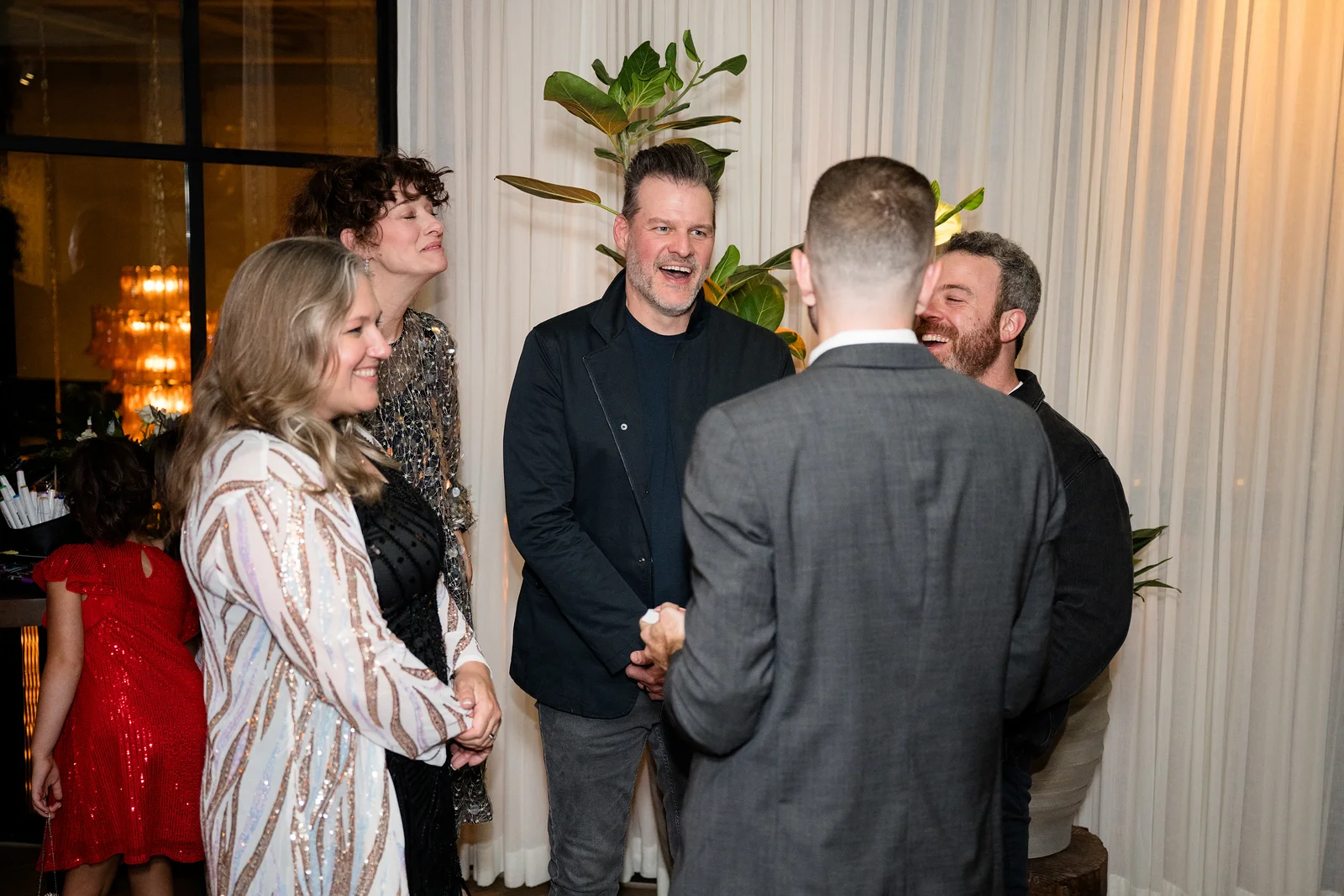
Conference welcome reception entertainment should meet guests after they have arrived, checked in, and had a moment to settle. I would plan close-up magic within the social part of the reception, with enough flexibility for arrival waves and guests who prefer to observe. The aim is a welcoming shared moment, while preserving the practical business of finding badges, meeting colleagues, and getting comfortable after travel.
Give conference welcome reception entertainment a clear job
A welcome reception often has more than one purpose. It may introduce attendees to the conference, reconnect colleagues, and help people who arrived alone find their footing. Entertainment works better when its role is clear within that mix.
I would describe close-up magic here as an invitation to share a moment with the people nearby. It gives a small group something to watch and talk about without requiring a formal activity at the entrance.
That is different from asking entertainment to deliver a training objective, collect leads, or replace the host team’s welcome. Those responsibilities need their own plans.
For example, a conference organizer could place strolling magic in the reception area after registration. Attendees would complete the practical arrival steps first, then discover the entertainment while mingling. The corporate event page gives an overview of my work in professional settings.
Keep registration and entertainment from competing
A guest arriving with luggage, a phone, and a question about their badge has several immediate priorities. Give them a clear route through those tasks before expecting their attention.
Review where registration ends and the social reception begins. If both happen in the same room, distinguish the working queue from the gathering areas. People waiting for help should not have to decide if an interaction will make them lose their place.
I would also keep entertainment away from the point where staff are explaining essential conference information. Clear directions to the reception, refreshments, and other facilities do more for an arriving guest than competing announcements.
For example, a planner could put the welcome desk near the entrance and use an adjacent lounge for conversation. Magic could happen among groups already settled there. The specific arrangement should support the venue’s routes and staff needs, rather than treating every open patch near check-in as a performance location.
Plan for arrival waves instead of a single start
Conference guests may reach the reception at different times. Travel, hotel check-in, meetings, and other commitments can create a gradual arrival pattern rather than one assembled audience.
Tell me what you know about those waves. Are most attendees already in the building? Will a final session release a large group together? Are arrivals expected throughout the reception? The answers help identify when guests are likely to be available for interaction.
Avoid counting early minutes as an equal opportunity to reach people who will not yet be present. Likewise, a late welcome speech may create a natural pause that the entertainment should respect.
I would discuss the full reception window and the likely guest distribution, rather than assume a fixed throughput. My preference is enough time to give groups a personal experience. If the event covers multiple spaces or concentrated arrivals, we can discuss the practical implications before choosing the arrangement.
Make joining feel optional and easy
People arrive at conferences with different levels of social energy. Some want to meet everyone immediately. Others need a quieter moment or prefer to stay beside a colleague until they feel settled.
My approach is to treat guests with respect. If someone is not interested in the magic, I can move to another group. A welcome reception should make that choice easy, with room to observe from nearby or continue a conversation elsewhere.
I sometimes look for an opportunity to include someone standing apart, but an invitation should remain an invitation. Hosts can help by avoiding language that turns participation into an expectation.
For example, a planner could describe the reception as an open social gathering with close-up magic happening around the room. Guests would know what is available without being assigned an activity. Seating and conversational areas also matter for people who have spent the day traveling or moving between sessions.
Support introductions without turning them into an exercise
Hosts and conference staff still have a useful role while entertainment is happening. They can introduce newcomers, explain the next day’s schedule, and notice someone looking for assistance.
Keep those interactions natural. A host might introduce two attendees who share an interest, then leave them to talk or watch the magic together. There is no need to require everyone to report a job title or complete a task before joining a group.
Useful coordination points include:
- Who welcomes guests once they leave registration.
- Which areas are intended for quieter conversation.
- When a host will make any official announcement.
- Who can answer conference questions during the reception.
- How guests learn where to go after the event ends.
My networking entertainment guide discusses social interaction more broadly. For an opening reception, the distinction is the arrival process: guests should feel oriented before the evening asks them to engage.
Write a reception brief that includes the guest journey
When you inquire, describe the welcome reception from the attendee’s point of view. Include where people arrive, where they collect badges, and how they enter the social area.
Share the likely arrival pattern, guest count, venue, and schedule. Mention any brief remarks, food service, or transition to another event. Tell me if guests are spread across rooms or if an adjoining area offers a quieter place to gather.
You can also explain the tone you want. A relaxed opening night may call for a different rhythm from a tightly programmed reception before a formal dinner. The more clearly you describe the social window, the easier it is to assess the fit.
For conference welcome reception entertainment in Nashville or elsewhere, send me your event details. We can discuss how close-up magic would join the arrival experience and what the proposed performance needs.
Frequently asked questions
Should magic happen while attendees collect badges?
I would usually place it after the practical check-in steps, where guests can give it attention. Keep registration queues and staff instructions clear. The best location depends on the room, but a guest should not have to juggle essential arrival tasks with watching.
What if some guests arrive late?
Share the expected arrival pattern when planning the performance window. Strolling magic happens with groups at different times, which can suit a reception with gradual arrivals. That does not mean every late arrival will automatically have the same opportunity; the schedule still matters.
Is this a structured networking activity?
Close-up magic can give nearby guests a shared experience, but it does not need to be a structured networking exercise. Attendees can watch, talk, or continue other conversations. Hosts should separately plan any introductions, business objectives, or conference activities that require formal participation.
Where to next
See the work, or read more notes.