Weddings and cocktail hour
Wedding Entertainment Vendor Coordination Checklist
Plan wedding entertainment vendor coordination with clear cues for your planner, caterer, photographer and DJ, from arrival through the final show.
In this article
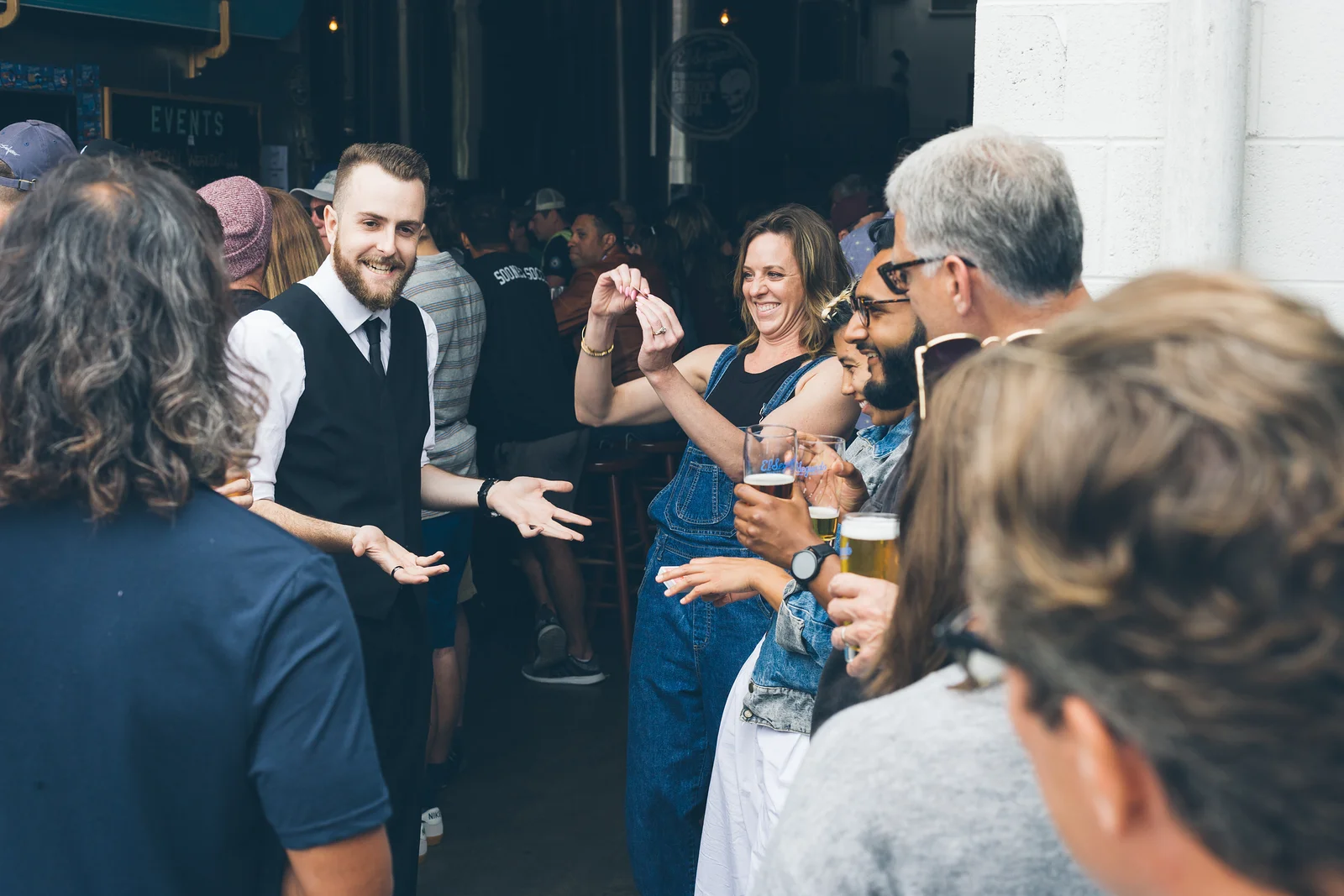
Wedding entertainment vendor coordination works best when one person owns the current timeline and every vendor understands the next cue. I need to know where guests will be, when they will be free to watch and who can approve a change. Your caterer needs clear service routes, your photographer needs useful timing, and your DJ needs a specific announcement cue. Put those details in one short shared plan so the couple can enjoy the celebration.
Start wedding entertainment vendor coordination with one contact
I can work directly with a couple or with their planner. The useful distinction is who makes decisions on the wedding day. That person may be different from whoever first contacted me, and the handoff should happen before guests arrive.
Name a primary coordinator and a backup who can reach them. Give both the current entertainment plan, including the performance location and the moments that take priority. If the couple wants to see something together, note when they are expected back from photographs rather than assuming they will be available during the reception.
Keep the contact list practical. Vendors need the people involved in their immediate handoffs, not an entire directory of wedding guests. When a timing question comes up, a direct answer from the coordinator is more useful than several separate guesses.
Ask the caterer about movement as well as meal times
A dinner start time alone does not show how a room will function. Ask when guests will be called to their seats, which doors servers will use and when clearing will begin. A spot that looks ideal on a floor plan may be a busy service route during the actual reception.
I prefer to place magic outside active eating. People should be able to enjoy their food without choosing between a performance and the meal in front of them. A planned break after dinner can work better than treating every pause between courses as available entertainment time.
For example, a planner could confirm with the caterer that the main clearing is complete before giving the cue for a seated performance. If service runs late, the coordinator can update me directly. The kitchen should not have to speed up because an old version of the timeline says the show has started.
Give the photographer a useful moment to cover
A photographer cannot be everywhere at once. Share the intended magic window and any couple-focused moment that has been agreed upon. Let the photographer decide how that fits alongside portraits, details and the other photographs the couple has requested.
Avoid writing a schedule that depends on a particular reaction. Real reactions happen on their own, and the entertainment should remain a live experience for the people watching. The planning task is to make the photographer aware of a potentially useful opportunity.
If the couple will return from portraits during strolling magic, tell the coordinator how to reach the photographer without stopping everything. If photographs are running behind, the entertainment plan should not turn into another demand on the couple. My wedding cocktail hour guide explains that part of the reception in more detail; the vendor handoff is what connects it to the rest of the day.
Make DJ announcements and sound changes specific
An announcement needs a purpose. During strolling magic, guests may discover the entertainment naturally as I move between groups. A formal close-up table later in the evening may benefit from the DJ telling guests where they can join me.
Agree on the wording, location and person who gives the cue. An announcement such as inviting interested guests to the designated table after the speeches is easier to act on than a general promise that entertainment will happen sometime tonight.
Also discuss sound. I perform around live music at Nashville events and can use more visual magic, but that does not remove the need to consider conversation and audibility. If a planned moment requires everyone to listen, ask the DJ about that transition in advance. Do the same for lighting: guests need to see the performance, and the room should not change unexpectedly halfway through it.
Use a short handoff checklist for the final review
A useful final review connects responsibilities to cues. I would rather receive a clear, current page than several detailed schedules that disagree with one another.
- Planner: confirm the latest sequence and name the person authorizing changes.
- Caterer: identify service routes, active meal periods and the agreed signal that service has cleared.
- Photographer: note the performance window and any agreed moment involving the couple.
- DJ or band: confirm announcements, music transitions and who supplies each cue.
- Venue: confirm the agreed performance area and access arrangements.
- Performer: review the location, audience arrangement and available attention window.
Mark anything undecided as undecided and assign someone to resolve it. A possible room change should not quietly become a confirmed plan. Once the details are settled, send the same revision to everyone whose work depends on them, with the changed items easy to find.
Decide how changes travel on the wedding day
Live events shift. The practical question is how a change reaches the people who need to act. Ask the coordinator to pass along revised cues directly rather than relying on vendors to notice that the evening is running late.
For example, if speeches move ahead of dessert, the coordinator could confirm the new sequence with the caterer, DJ and me before making an announcement. That avoids asking guests to gather for magic just as someone is introduced for a toast.
The couple should not become the message center. Give the coordinator enough context to protect their priorities, including time with guests and any planned formalities. If you are putting together your vendor timeline, send me the wedding details. Include the date, location, current schedule and coordinator so we can identify the right handoffs.
Frequently asked questions
Who should coordinate the magician with the other vendors?
Choose one wedding-day contact with access to the current schedule and authority to communicate changes. It can be your planner or another designated coordinator. I can begin planning with the couple and connect with that person before the wedding.
Does the photographer need to stay for the entire performance?
That is a photography decision for the couple and photographer. Share the entertainment window and any agreed couple-focused moment so they can plan coverage alongside the rest of their work. Avoid building the schedule around a staged reaction.
What if dinner or speeches run late?
Have the coordinator communicate the change before the next cue. We can review the available window against the agreed plan, food service and remaining formalities. A late meal should not automatically mean performing while guests are eating.
Where to next
See the work, or read more notes.