Corporate events
Client Appreciation Event Entertainment Planning
Plan client appreciation event entertainment around host conversations, thoughtful hospitality, and clear moments for guests to enjoy close-up magic.
In this article
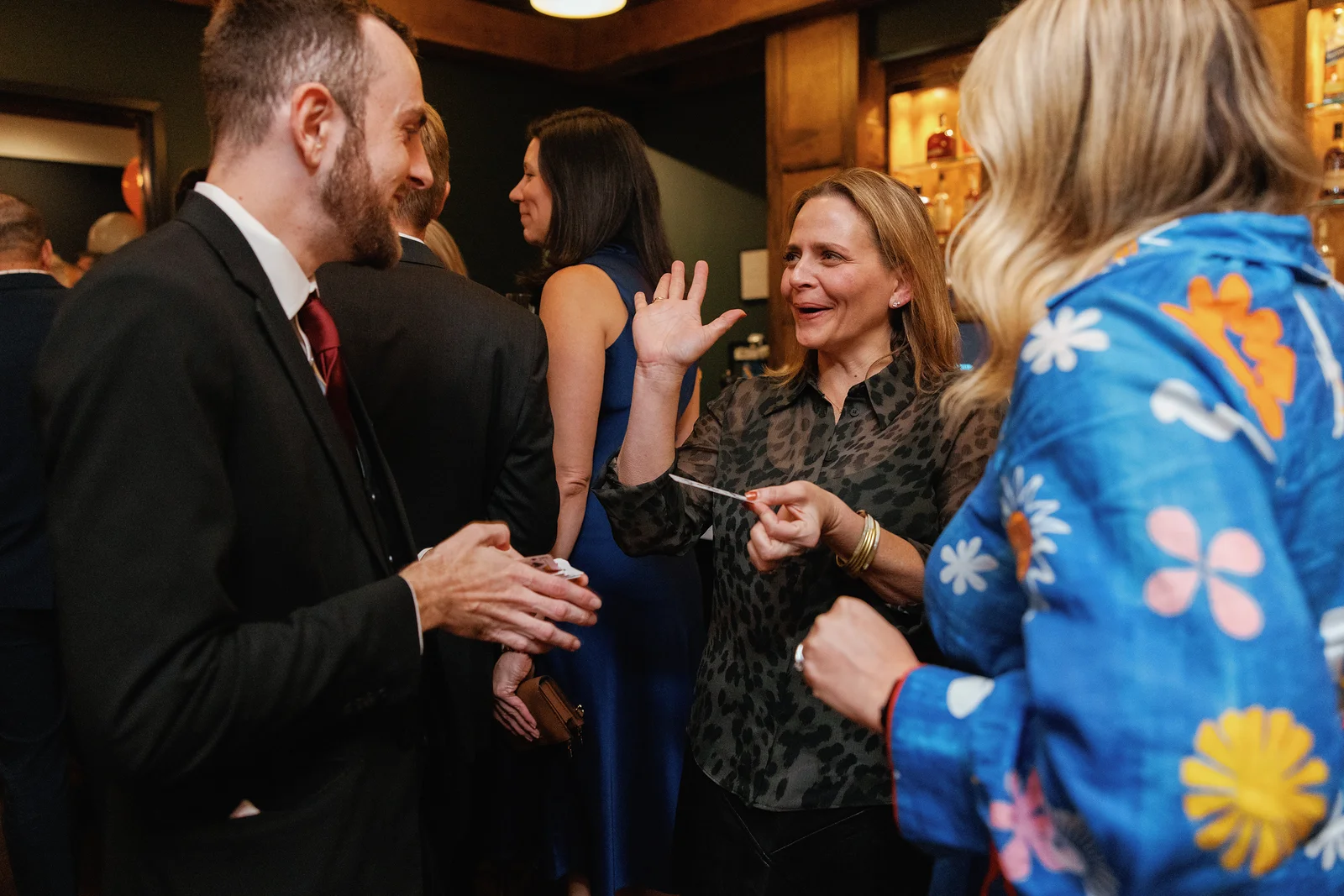
Client appreciation event entertainment works best when it leaves room for the reason you invited people: time together. I would plan close-up magic during an open social window, protect meaningful host conversations, and give any thank-you remarks the room’s attention. Entertainment can offer a shared experience, but the host team still owns introductions, hospitality, and the relationship time guests came to enjoy.
Give client appreciation event entertainment a purpose
Begin with a simple description of the evening. Are you thanking existing clients, introducing people from different circles, or gathering a small group for a meal and conversation? That purpose should shape how entertainment joins the event.
For a reception, strolling magic can create moments of attention among groups while the social gathering continues. For a more intimate event, a focused close-up experience may be worth discussing. The format should fit how people will actually spend time together.
I would avoid making entertainment responsible for a sales objective. A thoughtful host can offer an enjoyable experience without attaching a promised commercial result to it.
For example, a company could plan a reception where its team circulates, makes introductions, and enjoys magic alongside guests. The corporate magician page provides an overview of my work. The next step is deciding which part of your client event needs that kind of shared moment.
Protect the conversations your guests came to have
At a client event, a small group may be doing more than making casual conversation. A host could be hearing an important update, introducing a colleague, or catching up with someone who traveled to attend.
Build the entertainment plan with room for those exchanges. Strolling magic does not need to interrupt every group simply because the group is present. An invitation can be welcomed, declined, or saved for later.
I treat guests with respect and move on when someone is not interested. Hosts can help by describing any areas reserved for private conversations and avoiding requests to interrupt a particular person on demand.
For example, a planner could keep a lounge available for host-client discussions while offering magic in the main reception. That arrangement would need to feel natural and accessible. The point is to give the evening several useful kinds of space, so conversation and entertainment can each receive attention when guests choose them.
Give hosts a role while the magic happens
Entertainment does not replace the people who extended the invitation. Guests should still know who is welcoming them, where to get help, and how to connect with the host team.
Before the event, decide how hosts will circulate and make introductions. They can join a group watching magic, introduce someone standing nearby, or continue a conversation afterward. Those are ordinary acts of hospitality, rather than a formal script.
I would avoid assigning hosts the task of pushing every guest into the performance. A client should not have to explain why they want a drink, a seat, or a conversation instead.
A useful host briefing could cover the entertainment window, where it will happen, and how guests can join. Keep any formal business conversations or planned introductions on their own clear footing. The evening will feel more coherent when each host understands both the event’s purpose and the freedom guests have within it.
Separate the thank-you from the pitch
A client appreciation event often includes a few words from the host. Give those remarks a defined place in the program so the entertainment pauses and guests can hear the message.
Think carefully about what follows. A sincere thank-you can lose its shape if it unexpectedly becomes a lengthy presentation. If business content is part of the event, describe it accurately in the invitation and schedule rather than asking the entertainment to disguise it.
From a performance-planning perspective, the key is a clear transition. The coordinator should know when remarks begin, when they end, and where guests go next. I prefer to understand that flow before recommending a performance window.
For example, a host could welcome guests, offer a brief acknowledgment, and return the room to an open reception. Magic could then join the social time. If the event includes dinner, protect active meal service as well; I generally recommend performing when guests can comfortably give their attention.
Match the arrangement to the level of attention
Choose the format by how much shared attention you want to request from guests. A reception built around conversations may suit roaming interactions. A smaller gathering that wants to pause together may suit a formal close-up experience.
Consider these comparisons with your planner:
- If hosts need to circulate freely, preserve an open social window.
- If guests are seated together, discuss a focused performance outside active eating.
- If several client groups use separate rooms, explain that distribution early.
- If music is prominent, identify where comfortable conversation remains possible.
- If remarks are scheduled, give the performer a clear pause and restart cue.
My close-up magic guide explains the personal format. The choice is less about adding the largest possible entertainment element and more about offering an experience that fits the invitation. Guests should understand how the performance belongs in the evening, with enough time left to enjoy the people around them.
Send a brief focused on hospitality and timing
For a client event, the most useful details are the venue, guest count, date, schedule, and role you want entertainment to play. Mention the host team’s plans for introductions and any conversations or spaces that should remain undisturbed.
You do not need to share confidential account details or private client information. Describe the audience and tone at a practical level: a relaxed reception, a formal dinner, or a gathering where most guests know the hosts but not one another.
Include the person coordinating the event on the day and any scheduled remarks. If clients arrive at different times, explain the expected pattern so we can discuss a useful performance window.
To plan client appreciation event entertainment, send me your event outline. We can explore how magic fits the hospitality you want to offer while leaving the host team room to spend meaningful time with its guests.
Frequently asked questions
Will magic interrupt our client conversations?
The plan should protect conversations that need their own attention. Explain reserved areas or important timing in advance, and leave guests free to decline an invitation. I treat people respectfully and can move to another group when someone is not interested.
Can entertainment replace a host or networking facilitator?
Those are separate roles. Hosts still welcome clients, make introductions, and manage the relationships behind the invitation. Magic can be a shared part of the reception, but the event should have a clear host team and coordinator for its other responsibilities.
Should we combine a sales presentation with the show?
If your event includes business content, give it a clear place in the schedule and discuss any proposed performance connection directly. Do not assume custom messaging is included. The entertainment plan should reflect what has actually been agreed for your event.
Where to next
See the work, or read more notes.