Close-up and strolling formats
Outdoor Strolling Magic: Light, Weather and Flow
Plan outdoor strolling magic around changing light, comfortable gathering areas, and a usable backup space for your Nashville event.
In this article
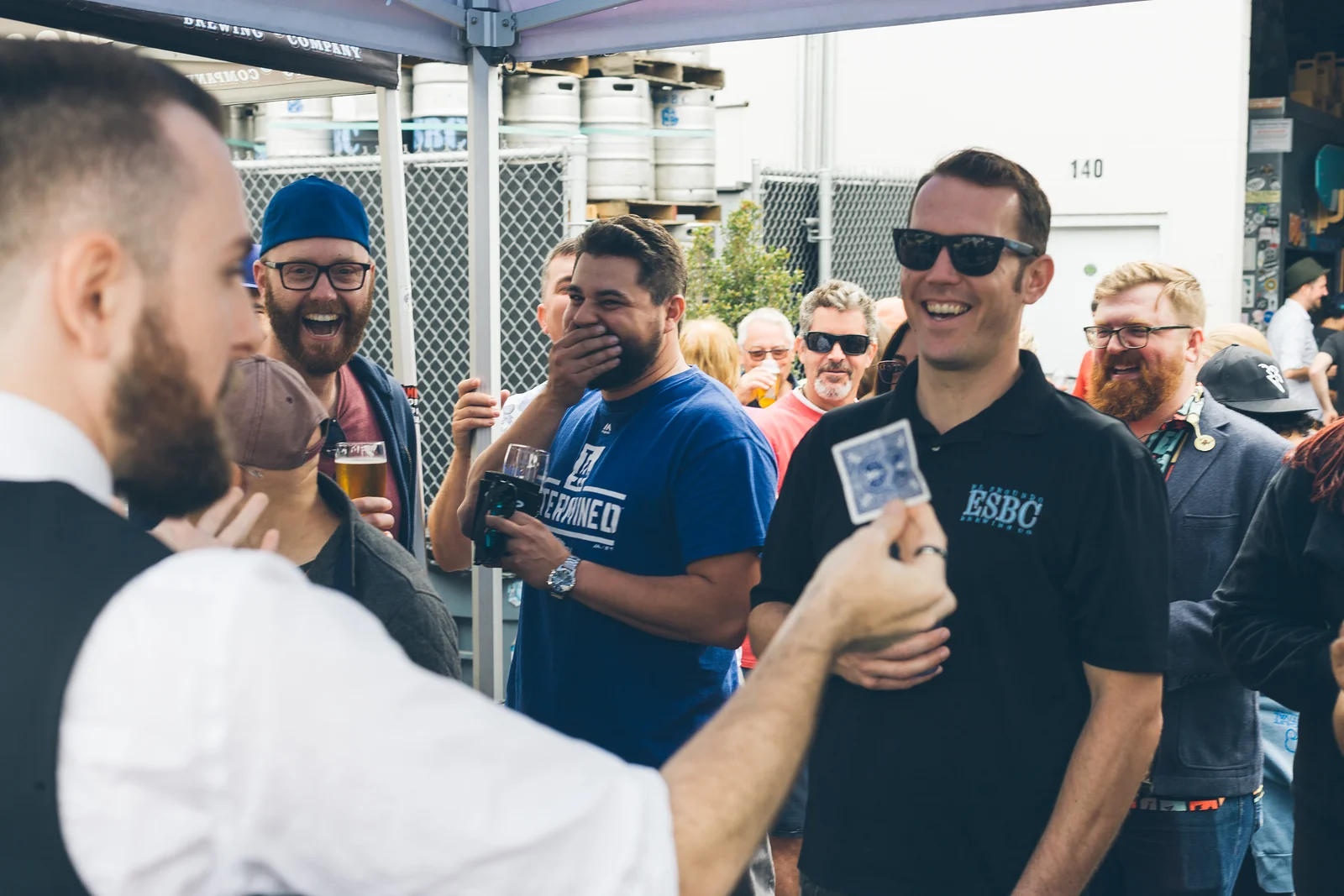
Outdoor strolling magic needs more than an attractive setting. Guests need to see, hear, and gather comfortably, and the event needs a workable plan if conditions change. I would review the performance area at the time it will be used, identify a suitable backup space, and connect that plan to the event schedule. Those decisions help determine if an outdoor setting suits the proposed performance.
Plan outdoor strolling magic for the actual conditions
A patio photographed on a bright afternoon tells you little about how it will feel during an evening reception. Start with the conditions expected during the performance window, including light, temperature, sound, and the way guests will use the space.
I recommend asking the venue what typically changes as the event progresses. Does the area become shaded? Is lighting added after sunset? Do guests tend to move toward an indoor bar when the temperature drops? These are useful planning questions, not predictions about a particular date.
For example, a host could imagine guests mingling across a lawn, while the venue expects most people to gather under a covered terrace. That difference affects where magic would happen and how groups could watch.
Share the actual setting with me before building the entertainment plan around it. Outdoor is a broad description; a sheltered courtyard and an exposed open space create different practical questions.
Check visibility from several viewing positions
Close-up magic depends on guests seeing what is happening nearby. Outdoor light can be strong, uneven, or temporary, so inspect the likely gathering spots from the audience’s position.
Look for bright light behind the performer, glare in guests’ eyes, and areas that become dark once the sun moves. Check seated positions as well as standing ones. A comfortable lounge area should still let people see the action without leaning around furniture or other guests.
Ask the venue how the space will be lit during the full performance window. Decorative string lights may contribute atmosphere without answering every visibility question. The lighting plan should be reviewed alongside the gathering areas, rather than added after the furniture has been finalized.
My close-up magic guide explains why the nearby experience matters. For an outdoor reception, supporting that experience starts with a useful view, even if there is no formal stage or audience seating.
Choose gathering areas that work for people
A broad outdoor area may offer lots of room while providing few comfortable places to stop. Think about where guests can stand or sit, set down a drink, and join a group without blocking movement.
Consider the routes between the reception, food, restrooms, and indoor spaces. Ask the venue about the ground surface and accessible routes, and keep those routes available when a watching group forms. Furniture should serve guests who want to stay seated as well as those who prefer to mingle.
Sound also deserves attention. A nearby musician, road, fountain, or neighboring event may affect conversation. Do not assume open air means quiet. If hearing is difficult, the performance approach and location need discussion.
For example, a planner could choose a gathering area away from a speaker while keeping it close enough to feel part of the reception. Review that idea with the venue rather than discovering during the event that guests rarely use the chosen area.
Make the backup space a real second plan
A backup plan is more useful when it names a space and explains how that space would function. “We will move inside” leaves important questions unanswered if the indoor room is already full of dining tables or reserved for another activity.
Walk through the alternative with the venue and coordinator:
- Confirm which indoor or sheltered space is available.
- Check how guests would reach it and where they would gather.
- Review lighting, sound, seating, and service access there.
- Identify what furniture or equipment would need to move.
- Decide who communicates the change to event vendors.
A covered area should be assessed by the venue for the conditions involved. Do not treat the presence of a roof as proof that every outdoor concern is resolved.
The performance plan must remain appropriate to the actual conditions. These suggestions are general event planning guidance, rather than a promise that a show can proceed outdoors in any weather.
Connect the changeover to the schedule
A weather-related move can also change the evening’s timing. Guests may need to collect drinks, find seats, or wait while staff prepare the alternate space. Entertainment should fit that transition rather than compete with it.
I like to see the flow of the event before recommending performance timing. For an outdoor reception, include the moments when guests may move indoors for dinner, speeches, or dancing. If the social area changes midway through the booking, discuss how the performance would follow the event.
Name one coordinator who can communicate the decision to change locations. That person should know what the venue has approved and when the room will be ready. Clear communication helps avoid different vendors acting on different versions of the plan.
For example, a host could establish the indoor reception location before guests arrive if the original area is unsuitable. The exact decision belongs with the responsible event team and the conditions on the day.
Send the setting along with the invitation details
When you contact me about an outdoor event, include the venue, date, guest count, and likely performance window. Add a brief description of the outdoor area and the alternative location.
Photos or a venue floor plan can help explain the setting. Mention any live music and tell me if guests will be split between indoor and outdoor spaces. An image of the empty terrace becomes more useful when it comes with information about where the bar, furniture, and guests will be.
I am based in Nashville and travel for events, so the specific location still matters even when the format sounds familiar. We should discuss the conditions and proposed arrangement for your gathering.
To explore outdoor strolling magic, send me your event outline. Include the backup space in that first conversation so both versions of the event can inform the plan.
Frequently asked questions
Can strolling magic happen on a patio?
A patio may be suitable, depending on visibility, sound, space, and conditions. Send details about the setting and the proposed time. The label alone does not establish suitability, and an appropriate alternative location should be part of the planning conversation.
What happens if the weather changes?
Discuss that before the event with the venue, coordinator, and performer. Identify an available alternative and who communicates the move. Any event-specific arrangements need confirmation; a general planning article cannot establish weather, cancellation, or rescheduling terms.
Do we need extra lighting for an evening reception?
Possibly, but the venue and performer should review the actual setting. Guests need to see the close-up action and one another comfortably. Check lighting at the time of use, including seated positions, instead of judging only from daytime photos.
Where to next
See the work, or read more notes.