Stage magic and mentalism
Mentalism vs Magic: Which Fits Your Event?
Comparing mentalism vs magic for an event? Consider visual moments, spoken interaction, guest comfort, and the kind of attention your room supports.
In this article
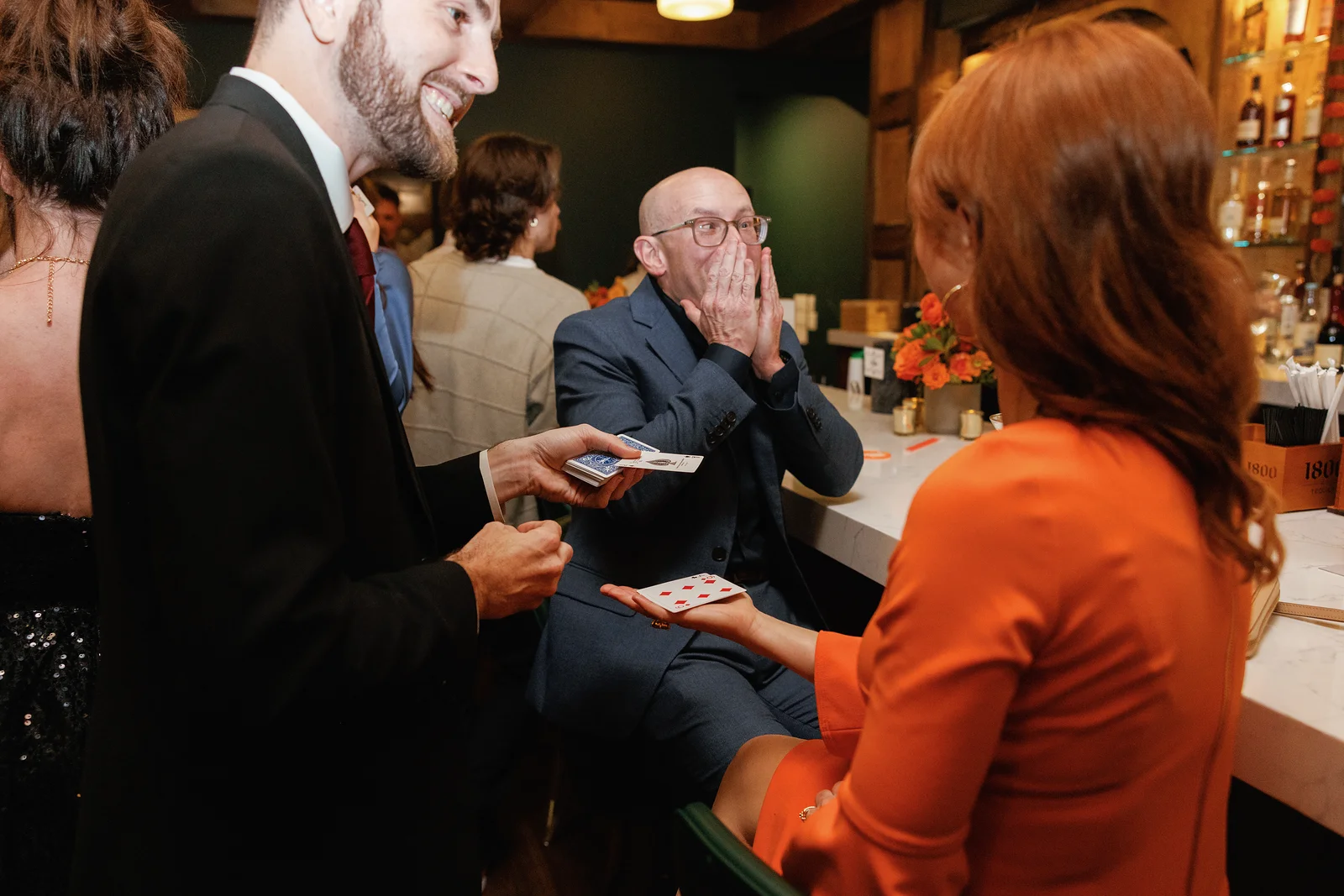
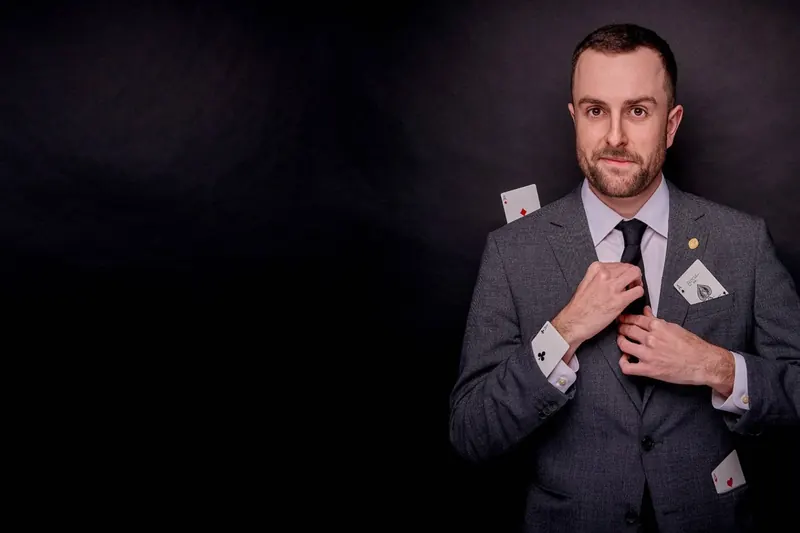
When you compare mentalism vs magic for an event, focus on the audience experience. Visual magic often gives guests something immediate to watch. Mentalism creates theatrical mystery around thoughts, choices, and the mind, and may ask guests to follow more spoken interaction. I blend the two in my work. The right balance depends on your guests, the room, and the attention available during the performance.
Mentalism vs magic: compare the experience
The word magic covers a broad range of entertainment. In an event conversation, people often use it to mean something visibly impossible happening close by. Mentalism places more emphasis on an apparent mystery involving the mind. These are useful descriptions, but they are not strict boundaries around a whole performance.
I think of mentalism as theatrical, mind-focused entertainment. It is not a promise of psychic ability, a personality assessment, or a way to discover private facts about guests. That distinction belongs in the way an event introduces the performance.
A useful comparison begins with two questions: Do you want guests to react to something they can see immediately? Or are they likely to enjoy following a conversational mystery as it develops? Many audiences enjoy both, which is one reason I mix magic and mentalism rather than treating the decision as an either-or choice.
Look at how much attention guests can give
Attention changes throughout an event. People arriving from work may be finding friends, checking coats, and choosing a drink. Later, those same people may be settled and ready to follow a longer interaction. The guest list has not changed, but the performance conditions have.
Visual material can give a nearby observer an accessible point of entry. Spoken material may ask that observer to hear the beginning so the conclusion makes sense. Neither style automatically solves a room full of interruptions.
For example, a planner could favor visual moments during an active reception and discuss more conversational material for a calmer window. That is a planning possibility, not a fixed formula. I would want to understand the actual sequence before recommending a balance. If guests are actively eating or listening to announcements, the first decision may be to move the entertainment to a more suitable time.
Separate the content choice from the room format
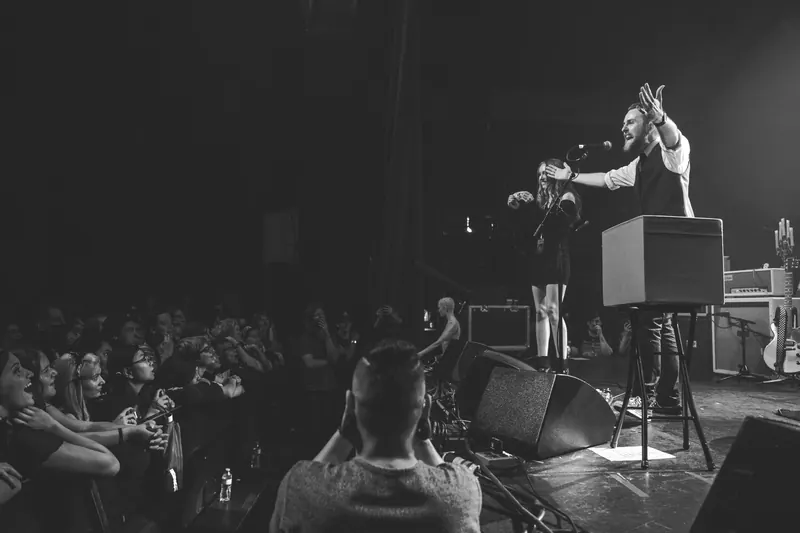
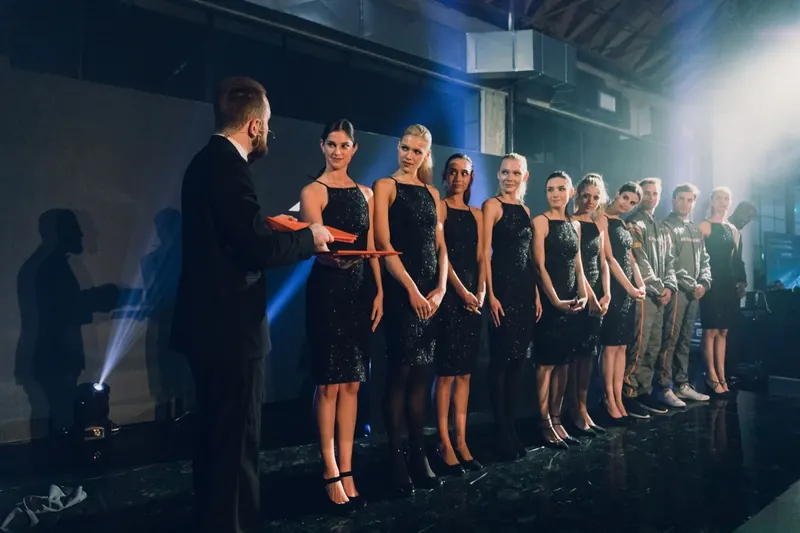
A frequent source of confusion is using mentalism to mean stage entertainment and magic to mean close-up entertainment. Those terms describe different things. A stage arrangement is about addressing a gathered audience; strolling is about moving among smaller groups.
You can begin with the room format, then discuss the content within it. If everyone needs to share one entertainment moment, a scheduled show deserves consideration. If the gathering is built around independent conversations, a moving format may fit that structure.
I perform close-up magic and stage shows, and I mix magic and mentalism in my work. Selecting a format does not require you to prescribe every moment of the performance. My close-up magic and stage show comparison covers the audience arrangement in more detail. Keeping those two decisions separate makes the conversation about your event much clearer.
Choose curiosity without putting someone on trial
Some people love being part of a performance. Others prefer to enjoy it from the edge of a group. That preference matters more than a host's guess about who would make the funniest participant.
I do not want the person hiring me, or anyone taking part, to feel embarrassed. My approach avoids crude or lewd humor. I recommend keeping introductions similarly respectful, particularly when managers, clients, partners, and colleagues are watching together.
Avoid describing mentalism as a chance to expose someone's secrets or prove how gullible a friend is. That framing changes the social experience before the performance begins. An invitation to enjoy some magic gives guests a much more comfortable starting point.
If someone is skeptical, that is fine. Entertainment does not require every guest to adopt a belief. Watching with curiosity, laughing with the group, or declining to join can all be reasonable responses.
Use a simple decision guide for your event
When comparing styles, I would weigh the conditions in this order:
- Sound: Can guests follow ordinary speech where the performance will happen?
- Continuity: Will people stay for an interaction, or constantly leave for another activity?
- Visibility: Can the group see comfortably without blocking a service route?
- Interest: Does your audience enjoy conversational mystery, visible surprises, or a mixture?
- Purpose: Are you adding a social moment or gathering everyone for a scheduled show?
For example, a reception with a loud band calls for a different discussion from a quiet private gathering. I perform at events with live musicians and use more visual magic when that fits. If spoken interaction is a priority, a calmer area or an earlier performance window may give guests a better opportunity to follow it.
Describe the conditions honestly. A preferred style becomes much easier to recommend when the practical setting supports it.
Review real performance, then explain your preference
A short label cannot show you a performer's personality. Watch how guests respond, how interaction develops, and whether the overall tone feels right for your occasion. My performance videos give you a place to start that conversation.
You do not need to request an exact effect from a video. Instead, explain what appealed to you: the close interaction, the visual clarity, the sense of mystery, or the way people watched together. That information is more useful than building a list of tricks you expect to receive.
If you are still weighing mentalism vs magic, tell me about your event. Include the setting and what you hope guests will enjoy. I can discuss the mix in the context of your plans, rather than asking you to commit to a category before we have talked.
Frequently asked questions
Is mentalism the same as claiming psychic powers?
No. In this context it is theatrical entertainment focused on the mind. I describe it as part of my magic and mentalism work. An event should not present it as a clinical service, an assessment of guests, or evidence of supernatural ability.
Is visual magic only for loud events?
No. Visual magic can be enjoyable in many settings. Sound is one factor in selecting material, because spoken interaction becomes harder to follow as a room gets louder. Audience interest, visibility, and the event schedule also matter.
Do I need to book two separate performers to have both?
Not simply because you want both kinds of entertainment. I mix magic and mentalism in my performances. Tell me what interests you about each style, and we can discuss the balance alongside the room, audience, and timing.
Where to next
See the work, or read more notes.