Corporate events
Office Holiday Party Entertainment: Plan the Space
Plan office holiday party entertainment around desks, meeting rooms, arrivals, music, and staff movement so the workplace can comfortably host a party.
In this article
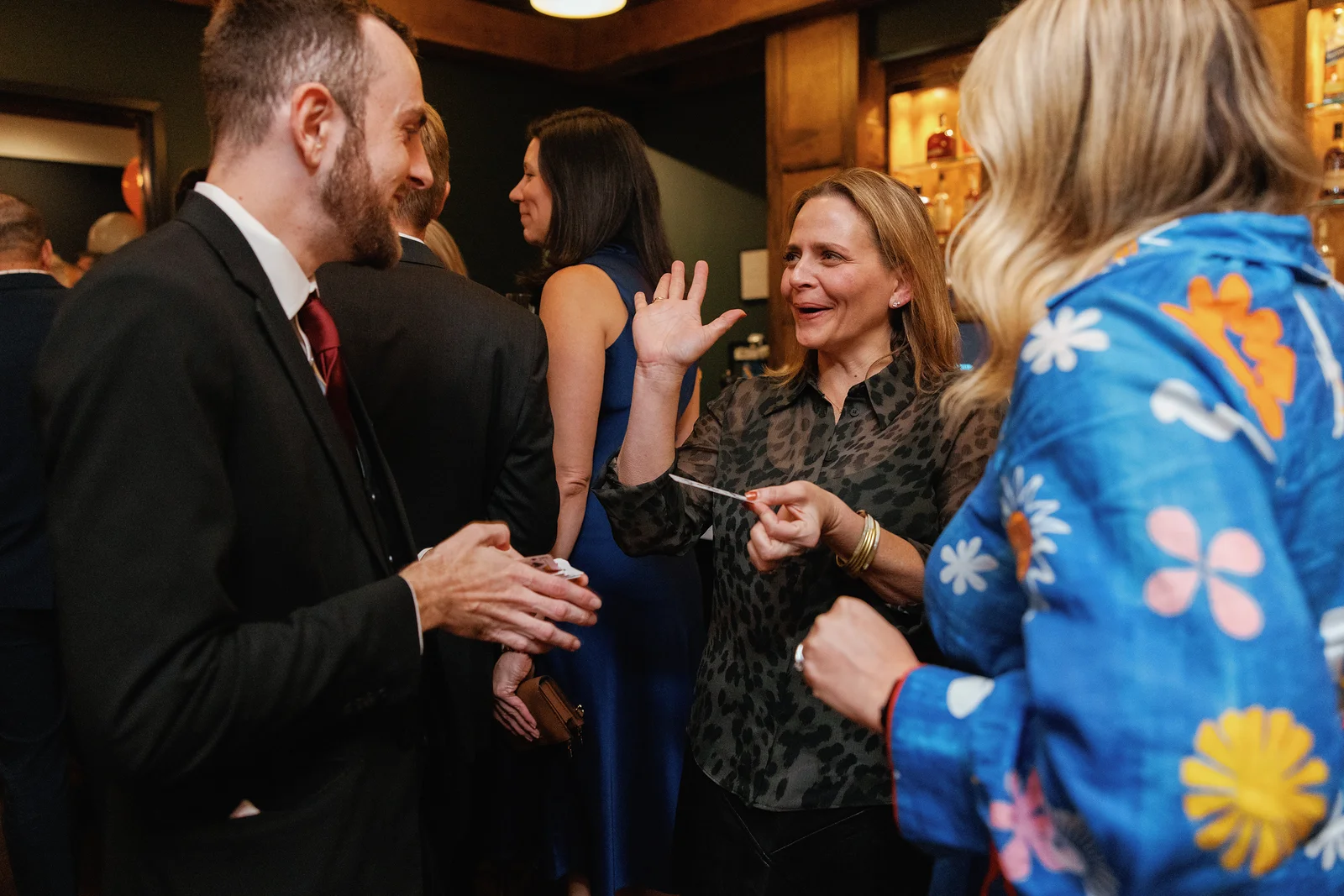
Office holiday party entertainment needs a space that clearly feels ready for a gathering. Plan where guests will arrive, socialize, eat, and watch, then work around the desks, corridors, and meeting rooms already there. I would review the layout and event flow before recommending the entertainment format. A familiar workplace can host a lively celebration, but its normal working setup may need thoughtful adjustments first.
Give office holiday party entertainment a home
Start by choosing the part of the office that will actually host the social event. A kitchen, lounge, or open meeting area may look suitable, but each has a different pattern of movement. Explain where people are expected to settle after they arrive.
I would distinguish the gathering space from routes to elevators, restrooms, food, and any areas that remain in use for work. A performance should have room for guests to stop without making those routes difficult to use.
For example, an organizer could use a lounge as the main reception area and keep a nearby corridor as a route between rooms. That creates a clearer plan than assuming entertainment can happen wherever a few people happen to stand.
A simple floor plan is useful even if it is informal. Mark the spaces being used for the party and the ones that should stay outside its flow.
Look at desks and meeting rooms as guests will
Workstations make sense during the working day. At a party, they can divide groups, interrupt sightlines, or encourage people to drift back to email. Consider how the furniture affects the event you want to create.
You may not need to move much. A defined social area can help guests recognize where the celebration is happening. If furniture does need to move, coordinate that with the people responsible for the office and keep an agreed restoration plan.
Meeting rooms deserve a separate look. A room that fits a seated meeting may not support standing groups, catering, and a performance at the same time. Glass walls can provide visibility without providing a clear invitation to enter.
For a shared show, check what guests will actually see from their positions. Tall monitors, partitions, and chairs facing different directions matter more than the room's name or its usual role in the office.
Plan the arrival from the building entrance
A performer visiting your office does not necessarily know the access routine that employees use every day. Guests' partners and other visitors may have the same problem. Make the arrival instructions specific to the evening event.
Confirm the entrance, check-in process, appropriate contact, and any building access arrangements with the office coordinator. If the building operates differently after business hours, pass along the relevant instructions. Do not assume that a familiar employee badge process also applies to outside guests.
Think about where people go after check-in. A line at the entrance is usually a poor place to stop for entertainment because guests are still orienting themselves. Let arrivals become social groups before asking them to watch.
I suggest distinguishing access time from performance time in your plan. That gives the coordinator a clearer way to arrange entry and any preparation without confusing it with the start of the guest experience.
Manage the workday that may still be happening
An onsite celebration can overlap with deadlines, calls, or teams working a different schedule. Those activities affect both the party and the people still working nearby. Decide how the event boundary will be communicated.
For example, a coordinator could identify a separate room for anyone who needs to finish a call, while keeping the main gathering in a different area. The entertainment should not become an invitation to wander through occupied workspaces.
Screens and notifications can also compete for attention. Ask the appropriate office contact what can be changed for the event. Keep work materials and confidential information out of the party setup without involving the performer in those decisions.
Then consider music. An open office may carry sound farther than expected. Choose a level and location that support the planned interaction and respect areas still in use. A conversation-based performance needs people to be able to hear one another.
Choose a format for the group you will really have
An office party invitation might suggest a large gathering, but attendance can shift as employees finish work or leave for other plans. Tell me how the event is expected to unfold, including whether everyone will be present together.
Strolling can suit a social period with several groups. A small gathering that naturally gathers around the performer may be better served by a focused show. A larger shared performance needs an appropriate audience arrangement and a discussion of sound and visibility.
Before choosing, check:
- Whether people will mingle in one space or several rooms.
- When food service will occupy their attention.
- Whether a leadership message will gather everyone.
- Which areas have enough room for people to stop comfortably.
- Whether the event becomes louder later in the evening.
My close-up and stage comparison explains those format differences. Use the actual audience pattern as the starting point, rather than the office headcount alone.
Give one coordinator the complete picture
Office events often involve someone arranging food, someone handling access, and someone looking after music. Those responsibilities can stay with different people, but the performer needs a clear contact for the whole evening.
I recommend sharing one concise plan that identifies the event area, arrival instructions, food timing, announcements, and the person who communicates changes. Include any areas that are unavailable so nobody has to discover that boundary during the party.
My corporate entertainment page provides context for company events. If you are planning a celebration in your own workplace, send me the office party details. A description of the layout and the transition from work to social time will help us discuss how magic can fit comfortably into the evening.
Frequently asked questions
Can a holiday party happen around the normal office furniture?
Possibly, but review the layout as an event space. Check where groups can gather, what blocks the view, and which routes people need to use. Any furniture changes should be agreed with the office contact before the performer arrives.
Is a meeting room suitable for a magic show?
It depends on the audience arrangement, sightlines, sound, and how the room is being used. A room that works for meetings may need a different seating plan for entertainment. Share the layout and expected group before choosing the format.
What should the office coordinator tell the performer?
Explain building access, the event location within the office, the social and meal schedule, and the day-of contact. Mention occupied work areas, planned announcements, and music. Those details help the performance fit the real workplace rather than an assumed open event room.
Where to next
See the work, or read more notes.