Corporate events
Holiday Party Entertainment with a DJ or Band
Coordinate holiday party entertainment with a DJ or band through sound levels, announcements, lighting, performance cues, and clear vendor handoffs.
In this article
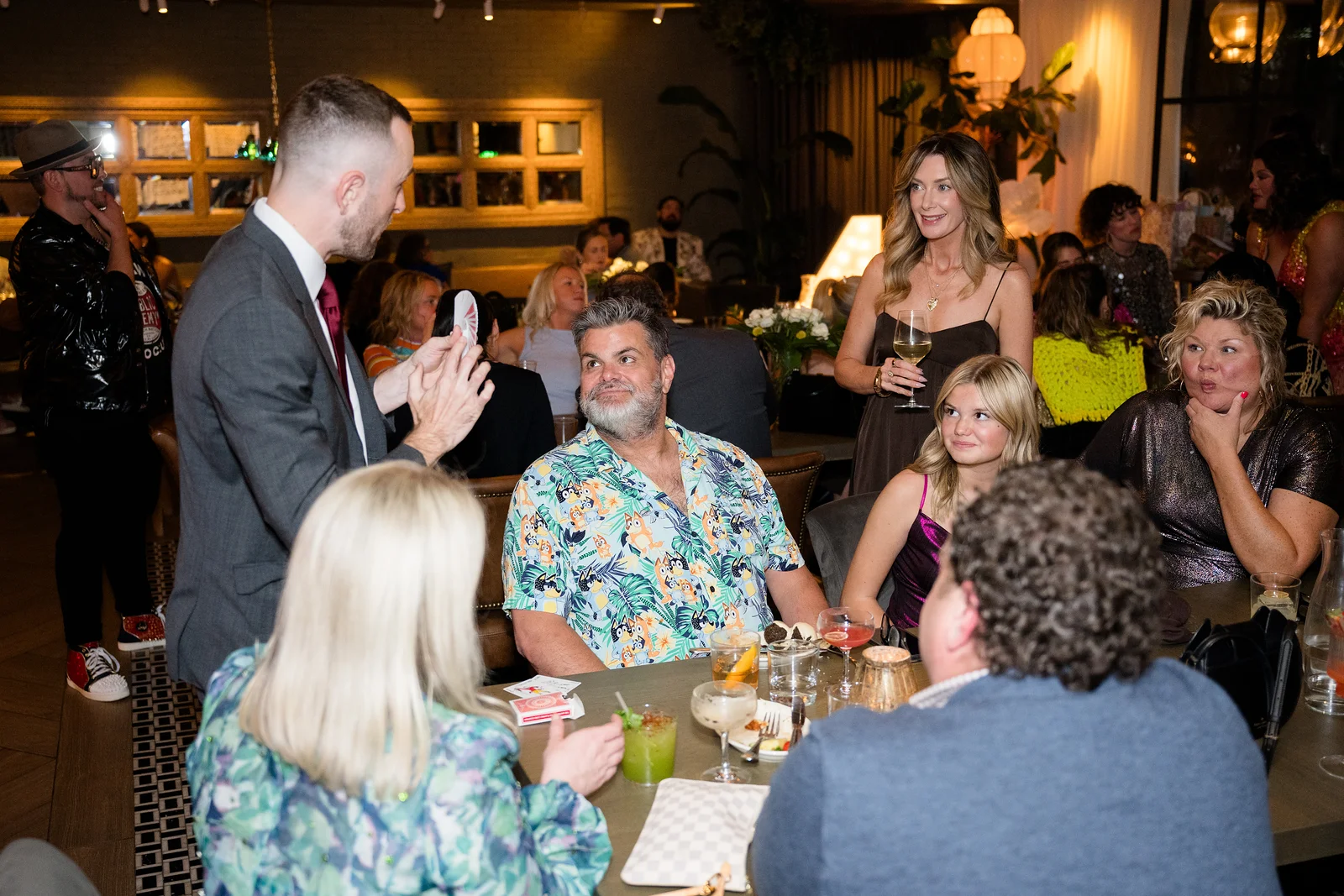
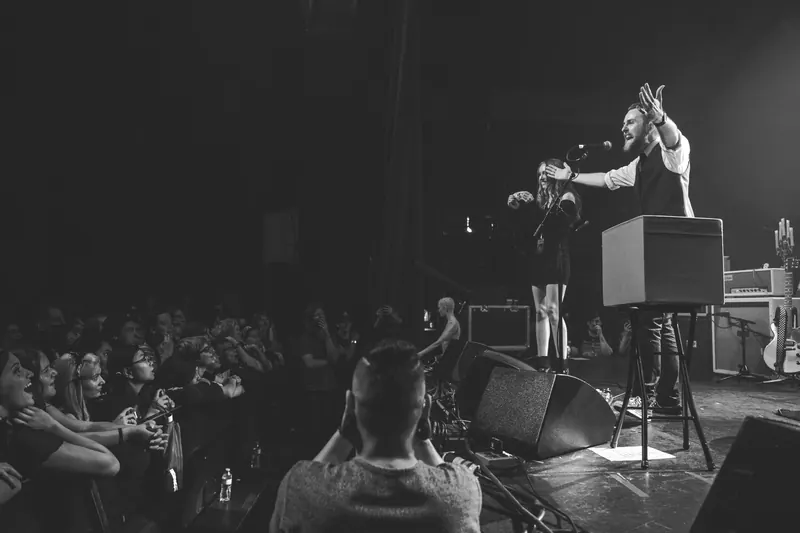
Holiday party entertainment with a DJ works best when music and performance share a clear plan. Discuss sound levels, announcements, lighting, and the moments when guest attention changes. The same principle applies to a live band. I perform at Nashville events with live musicians and use more visual magic when that fits the room. A good coordination conversation helps each part of the evening have the conditions it needs.
Plan holiday party entertainment with a DJ early
Start by describing what each part of the entertainment is meant to do. Background music during arrivals, a gathered magic show, and a dance set create different expectations for the room. Listing them together on a vendor sheet does not explain how they interact.
Share the event sequence with the music contact and performer before the evening. Identify any window when guests need to hear a conversation or focus on a shared show. Note the point when the event moves toward louder music and dancing.
For example, a planner could schedule strolling during the reception, pause for dinner, and discuss a gathered performance before the dance portion begins. The practical value is in agreeing the transitions, not in assuming that music and magic must always follow that order.
One coordinator should hold the current version of the plan and communicate changes to everyone affected.
Match the sound level to the interaction
Close-up magic often happens in the middle of a social room. Some material is strongly visual; other moments depend on guests hearing a setup, a question, or one another's responses. Those differences matter when music is playing nearby.
I use more visual magic at events with live musicians when that suits the conditions. If you are particularly interested in mentalism, tell me, because mind-focused entertainment may need more conversational attention.
Think about the experience at the guest's position, not only at the DJ booth. Can a small group hear normal speech in the proposed area? Is one table directly beside a speaker while another corner is much calmer?
The answer may be a different location or a different point in the evening. Discuss that before assuming the music must be turned off or that every performance moment will work equally well at any volume.
Agree on announcements and introductions
A DJ or bandleader may be the person guests are already listening to. That makes them an important part of the transition into a show or a later close-up gathering. Give them accurate information and a clear cue.
I have worked at events where the DJ announces where guests can see more close-up magic. That announcement is useful when the location is agreed and the performance is ready to receive people. An announcement made too early can send guests toward an area still being prepared.
For a shared show, decide who introduces me and how the music changes as the introduction begins. Keep the wording brief and consistent with the event tone. Avoid improvised promises about particular effects or selecting a reluctant guest in advance.
Also agree on the exit from the performance. The next announcement, music cue, or host handoff should be clear before the room reaches that point.
Check microphones, lighting, and the performance area
A DJ having sound equipment does not automatically mean every microphone or connection needed for a show is available. A band's working setup may have its own requirements. Confirm the actual arrangement with the people providing and operating it.
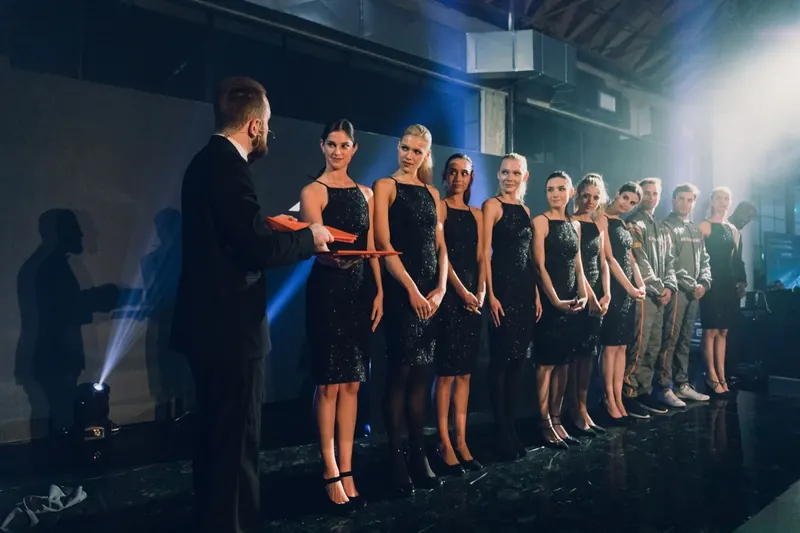
For larger shows, I discuss a platform, suitable microphone, and clear sightlines. I typically coordinate sound equipment through the venue or event planner. The specifics should be settled for the event rather than inferred from another vendor's equipment list.
Ask who controls lighting and whether the performance area will be visible once the party lighting changes. Guests need a comfortable view, and the operator needs to know when that setting is required.
If the show and musicians share an area, review access and layout together. Avoid assuming that instruments, speakers, or cables can be moved at the last moment. The final arrangement should be one that each vendor understands.
Give every transition an owner and a cue
The cue between entertainment segments is where a simple plan becomes useful. Decide who tells the DJ or bandleader that the performer is ready, who confirms the audience is settled, and who can approve a change.
A practical coordination note can cover:
- Music level and style during the reception performance.
- Any agreed location for quieter close-up interaction.
- The introduction cue for a gathered show.
- Microphone and lighting responsibilities.
- The signal that returns attention to the host or music.
- The contact who communicates a delay.
For example, a coordinator could wait for the service lead to confirm the room is ready, check with the performer, then give the music contact the agreed introduction cue. That is more reliable than asking each vendor to guess from what they can see across the room.
Keep these notes available to the people working the event, not only in the organizer's planning folder.
Plan for the room after dancing begins
Once guests are dancing, their attention and movement change. Any later magic should be considered in that setting, including where people who want to watch will gather and how they will hear.
A calmer area may offer a useful option if it remains connected to the celebration. Discuss seating, lighting, and access so it feels like part of the event. The music contact can help guests find it with an agreed announcement when appropriate.
My corporate holiday party guide covers the broader celebration, and performance videos can help you describe the type of interaction you enjoy.
To plan music and magic together, send me your event schedule and mention the DJ or band. Include when the music changes from background to dance volume so we can discuss the performance in the context of the whole evening.
Frequently asked questions
Does the DJ have to stop all music during close-up magic?
Not necessarily. The right arrangement depends on the volume, location, and type of interaction. I perform at events with live music and use more visual material when appropriate. Discuss the room conditions so music and conversation can be balanced sensibly.
Can I assume the band will provide the show microphone?
No. Confirm the required microphone and who will supply and operate it. The presence of a sound system does not settle compatibility or availability. Include that conversation in planning with the venue, music contact, and performer.
Who should communicate a last-minute timing change?
Choose one event coordinator to relay the current plan. That person should check with the affected vendors before issuing a new cue. A single shared update helps prevent an introduction, music change, or lighting cue from happening before everyone is ready.
Where to next
See the work, or read more notes.