Corporate events
Sales Kickoff Entertainment for the Social Hour
Plan sales kickoff entertainment for the social hour, with room to unwind, meet colleagues, and enjoy magic after the business sessions end.
In this article
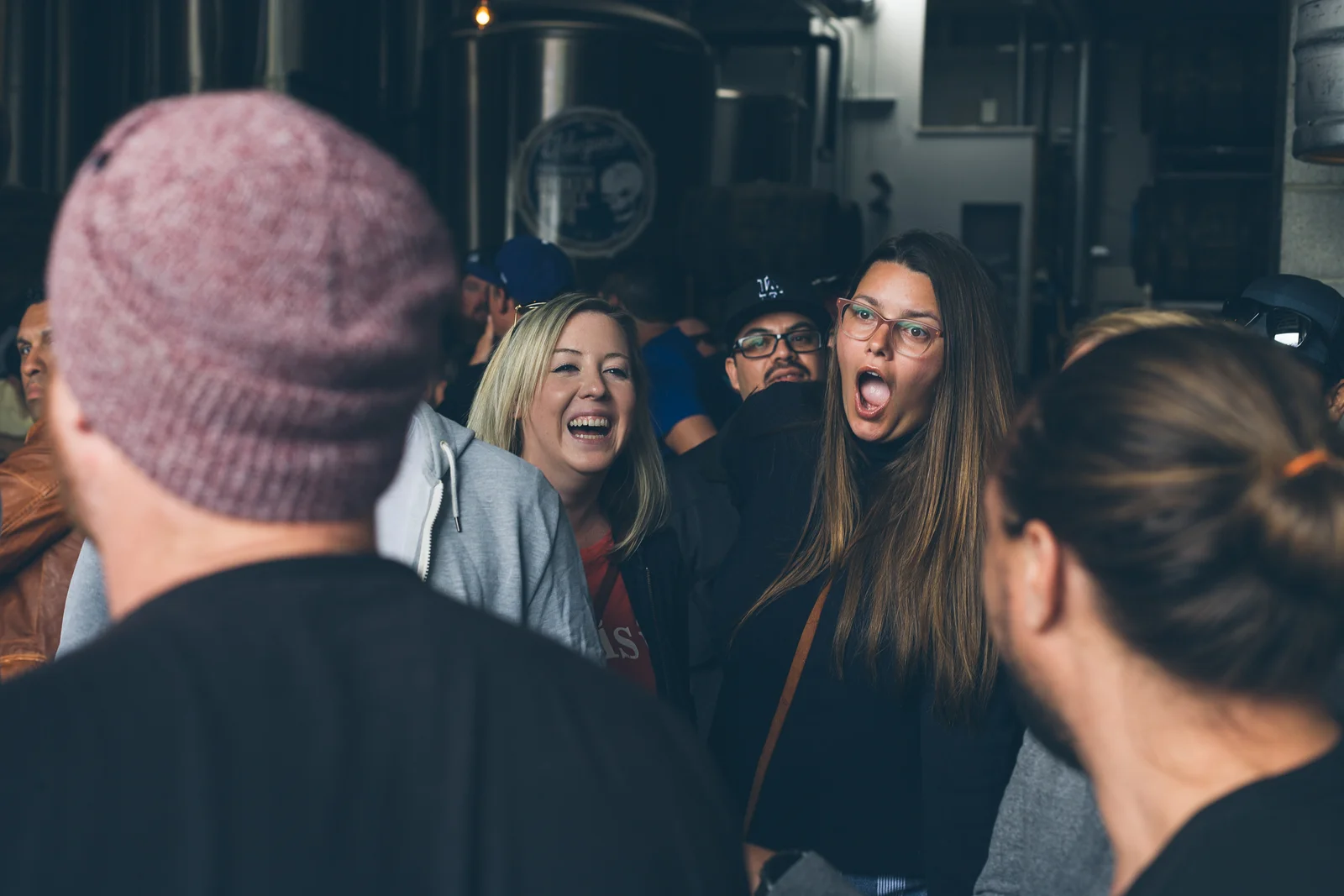
Sales kickoff entertainment should match the part of the agenda it serves. For the social hour, I would focus on a relaxed shared experience after presentations and training, with room for colleagues to talk. Close-up magic can join that setting without turning the reception into another required exercise. Define when the business program ends, give guests time to settle, and plan the entertainment around the social atmosphere you want.
Give sales kickoff entertainment a social purpose
A sales kickoff may include strategy, product information, recognition, and training. Those sessions already ask a great deal of the audience’s attention. The social hour can have a simpler purpose: letting people spend time together.
I would discuss magic here as entertainment, rather than a keynote, motivational session, or sales workshop. That distinction helps the planner choose an appropriate format and gives attendees an accurate expectation of the evening.
For example, a company could end its final session, allow a break, and invite everyone to a reception with close-up magic among the groups. Colleagues could watch together, reconnect, or join another conversation.
The corporate event page explains my work in professional settings. For a kickoff reception, the useful question is how that performance fits the social window. An enjoyable social hour does not need a promised business result.
Make the end of the business program clear
A reception can struggle to feel relaxed if guests are unsure whether another presentation is about to begin. Put a clear transition between the final session and the social gathering.
Tell attendees where to go and what to expect. If a leader plans welcome remarks or an announcement during the reception, include it in the schedule. Guests should not discover that the advertised social hour contains another extended business session after they have settled into conversation.
Also consider practical needs between activities. People may want to return to their room, make a call, or put away work materials. The event plan should account for those choices when estimating how the reception will fill.
I like to review the flow of the evening before suggesting performance timing. A clear description of the transition tells me more than the reception’s listed start time. It helps reveal when guests will actually be ready to give the entertainment their attention.
Use the social hour to let different groups meet naturally
A kickoff can bring together colleagues who know one another through calls but rarely share a room. It may also include new hires, regional groups, and people from supporting departments. The reception should make joining a conversation feel easy.
Close-up magic offers a small shared moment among people standing nearby. I move between groups, and I may invite someone at the edge to join when the situation feels appropriate. Guests remain free to watch, participate, or continue talking elsewhere.
Hosts can support this by making ordinary introductions without turning the room into a compulsory activity. Avoid assigning everyone a networking task if the aim is a relaxed social period.
For example, a host could introduce a new colleague to a group already enjoying the reception, then let the conversation develop. Magic can be part of that gathering without becoming a test of confidence, product knowledge, or willingness to perform in front of teammates.
Choose a format that fits the energy you want
Think about how you want the reception to feel after the day’s sessions. If open conversation is the priority, strolling magic may fit among small groups. If the team wants one shared entertainment moment, a focused show deserves a separate place in the plan.
Neither approach should be selected solely because a room already contains a stage. A conference setup designed for presentations may need changes to support a social event, while a reception layout may not provide clear views for a shared show.
Consider the guest experience:
- Strolling allows conversations to continue around the performance.
- A shared show asks the audience to gather and focus together.
- A fixed close-up table gives interested guests a place to approach.
- Multiple rooms create a distribution question that needs discussion.
My close-up versus stage guide explores those format differences. Match the attention pattern to the evening’s purpose before adding entertainment to the agenda.
Keep the reception comfortable as the evening changes
The first part of the social hour may look different from the last. Guests arrive in waves, music may become louder, and some people may move toward dinner while others stay to talk.
Describe those changes in the plan. Magic should pause for announcements, respect active meal service, and fit the areas where guests can comfortably watch. I perform at events with live music and use more visual magic, but the actual sound conditions still matter.
A practical coordinator check includes where people will gather, how they reach food and drinks, and whether a quieter conversation area is available. Consider guests who prefer to sit after a day of sessions as well as those who want to mingle.
For example, a planner could begin with a conversational reception and move into dinner in another room. The entertainment window would then be based on that transition, rather than treating the entire evening as one uninterrupted opportunity for strolling magic.
Brief for entertainment without assuming custom sales content
When you inquire, explain that the proposed performance is for the social portion of the kickoff. Include the date, venue, guest count, schedule, and the audience’s likely arrival pattern.
Tell me about any recognition, remarks, or themed elements planned for the reception. If you are interested in incorporating a company idea into the performance, raise that directly so we can discuss what is appropriate and possible. Do not assume custom messaging is part of a standard entertainment inquiry.
The brief does not need confidential sales targets, account details, or internal performance information. The event’s tone and schedule are a more useful starting point.
To explore sales kickoff entertainment, send me your reception outline. We can discuss a performance approach that suits the evening and gives the team room to enjoy time together after the business sessions.
Frequently asked questions
Is this a motivational keynote for a sales team?
This article is about entertainment during the social hour. A keynote, training session, or facilitated workshop has a different purpose and should be scoped separately. Make that distinction clear in the event brief so the reception does not carry expectations it was not designed to meet.
Can magic work if people arrive at different times?
Strolling magic happens among groups at different moments, which can suit a reception with gradual arrivals. The arrival pattern still affects the useful performance window. Share what follows the last business session and when most guests are likely to reach the reception.
Will the show include our sales message?
Do not assume company messaging is included. If you want to explore a custom element, discuss the idea, event context, and expectations directly before relying on it. The entertainment plan should reflect the specific arrangement that has been confirmed for your event.
Where to next
See the work, or read more notes.